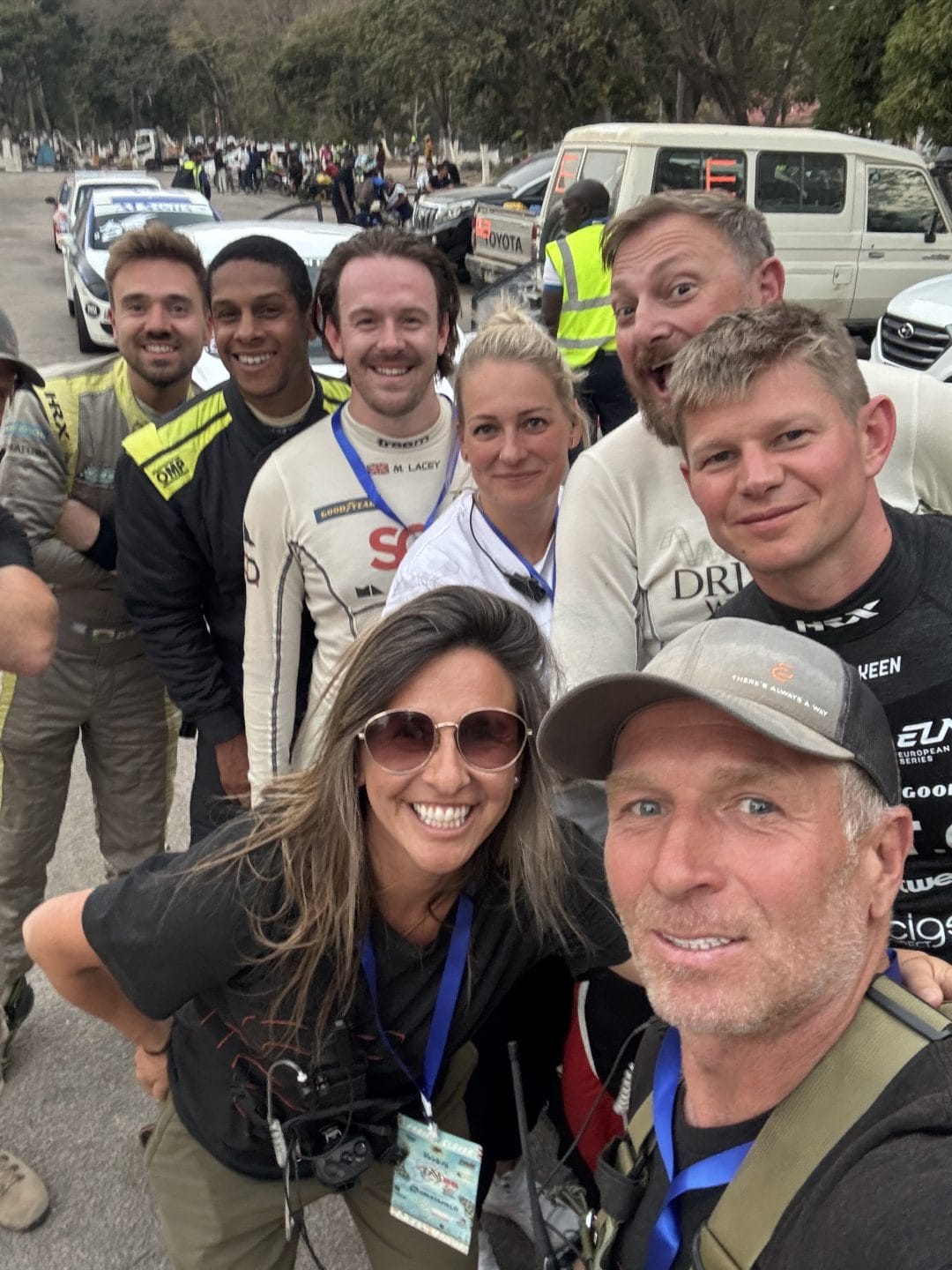
In Lubango, Angola, the cars lined up in a paddock under the trees while a crowd pressed in around the pit shed. It was a street race, and Grand Tour had entered it.
On a normal circuit, if a car comes off at a corner, there are safety barriers in place to absorb the impact. Tom Bodkin, Co-Founder of Secret Compass, describes what Angola had instead:
“In Angola that was like single tyres that weren’t joined together. They would have literally just flown out the way if a car had gone off the corner.”
Tom Bodkin, Co-Founder, Secret Compass
The track wasn’t up to international standard. Angola was one of the series’ three main trips, alongside Malaysia and the US, and this was the activity where the gap between what a production expects and what a location provides was easiest to see. Here’s how it was planned for.
TWO GAPS THAT FEED EACH OTHER
The barriers were one problem. The other sat further down the line.
If something did go wrong in Angola, the medical care available afterwards wasn’t at the level you’d get in the UK, Europe or the US. Tom is clear that the consequences of an incident are different there for that reason. So a car that left the track would meet very little to slow it, and anyone hurt would be relying on care that couldn’t match what they’d get at home.
Each gap made the other more important, and the plan had to cover both.
STARTING WITH THE CARS
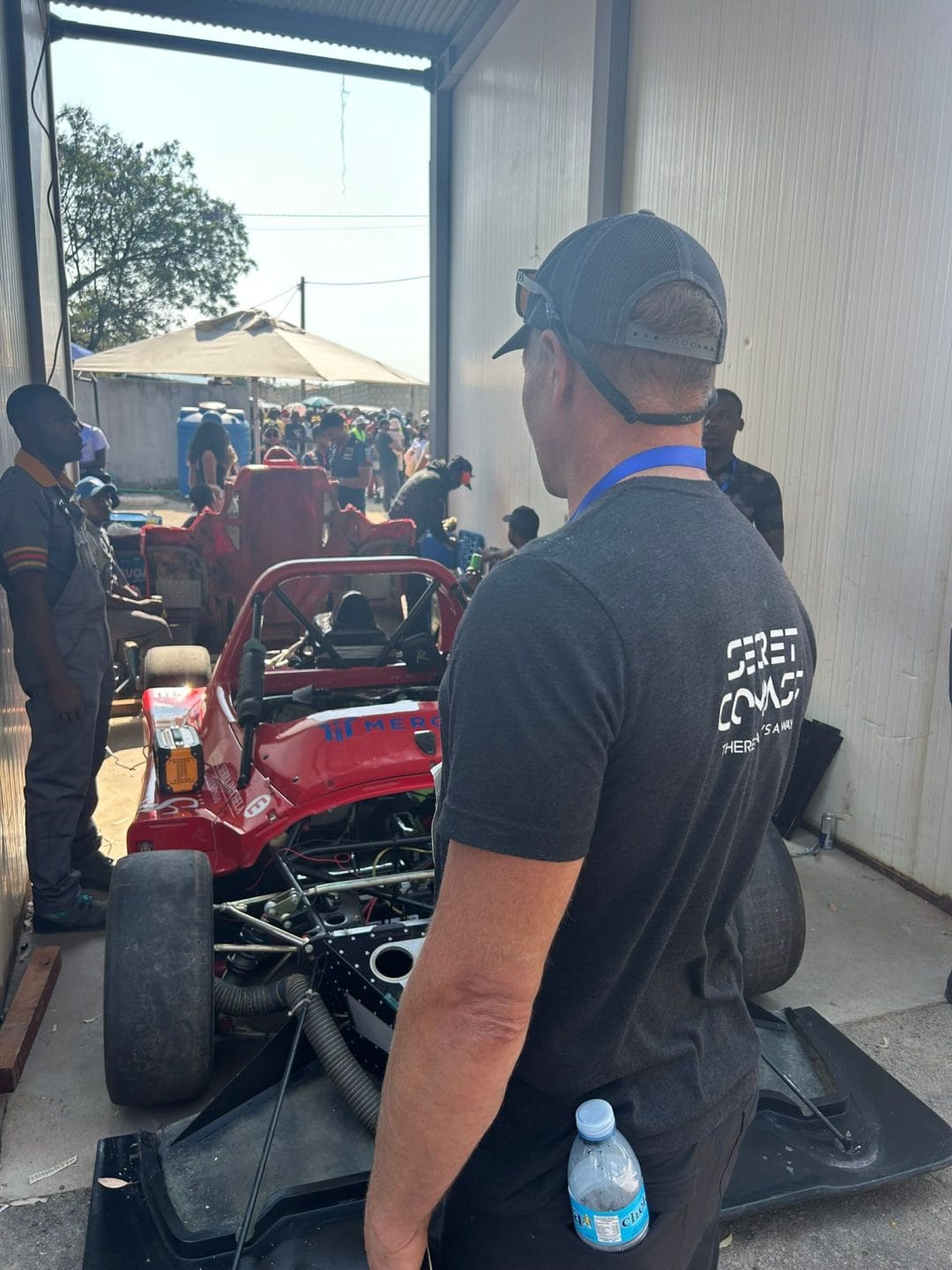
Some of the cars were sourced locally, from people who raced locally. That put the mechanical check, the first of the four questions in our earlier piece, at the front of the queue.
“We were using some vehicles that were sourced locally, so our mechanics had to spend a significant amount of time going through them, making sure they were mechanically sound and safe and up to speed.”
Tom Bodkin, Co-Founder, Secret Compass
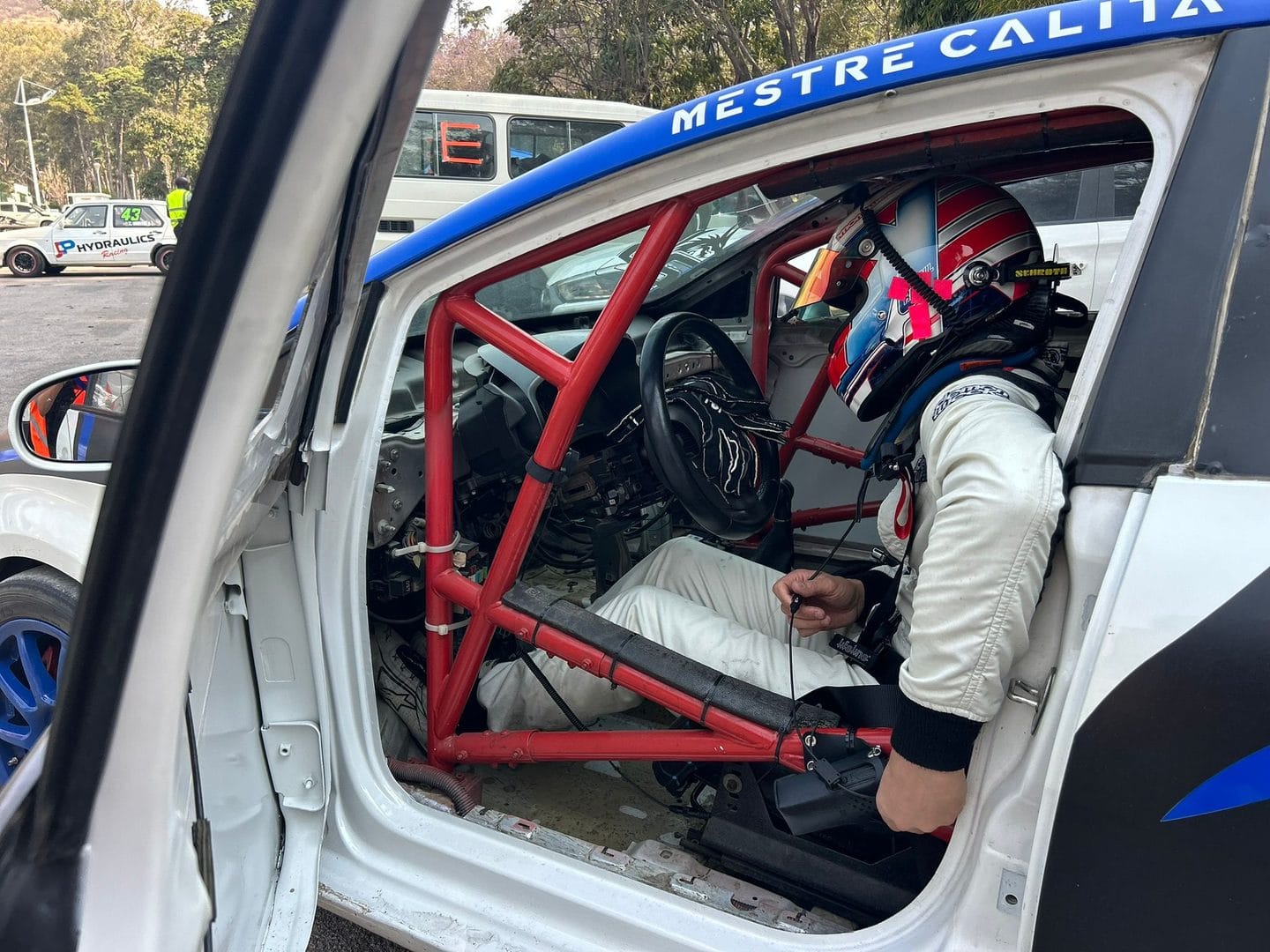
Then there was racing alongside other drivers. Tom describes a huge amount of planning going into making sure other people on the track didn’t add to the risk.
A DOCTOR ON LOCATION
“We had a AR consultant doctor on location for all that shoot, for the additional medical risks we were taking because of where we were filming.”
Tom Bodkin, Co-Founder, Secret Compass
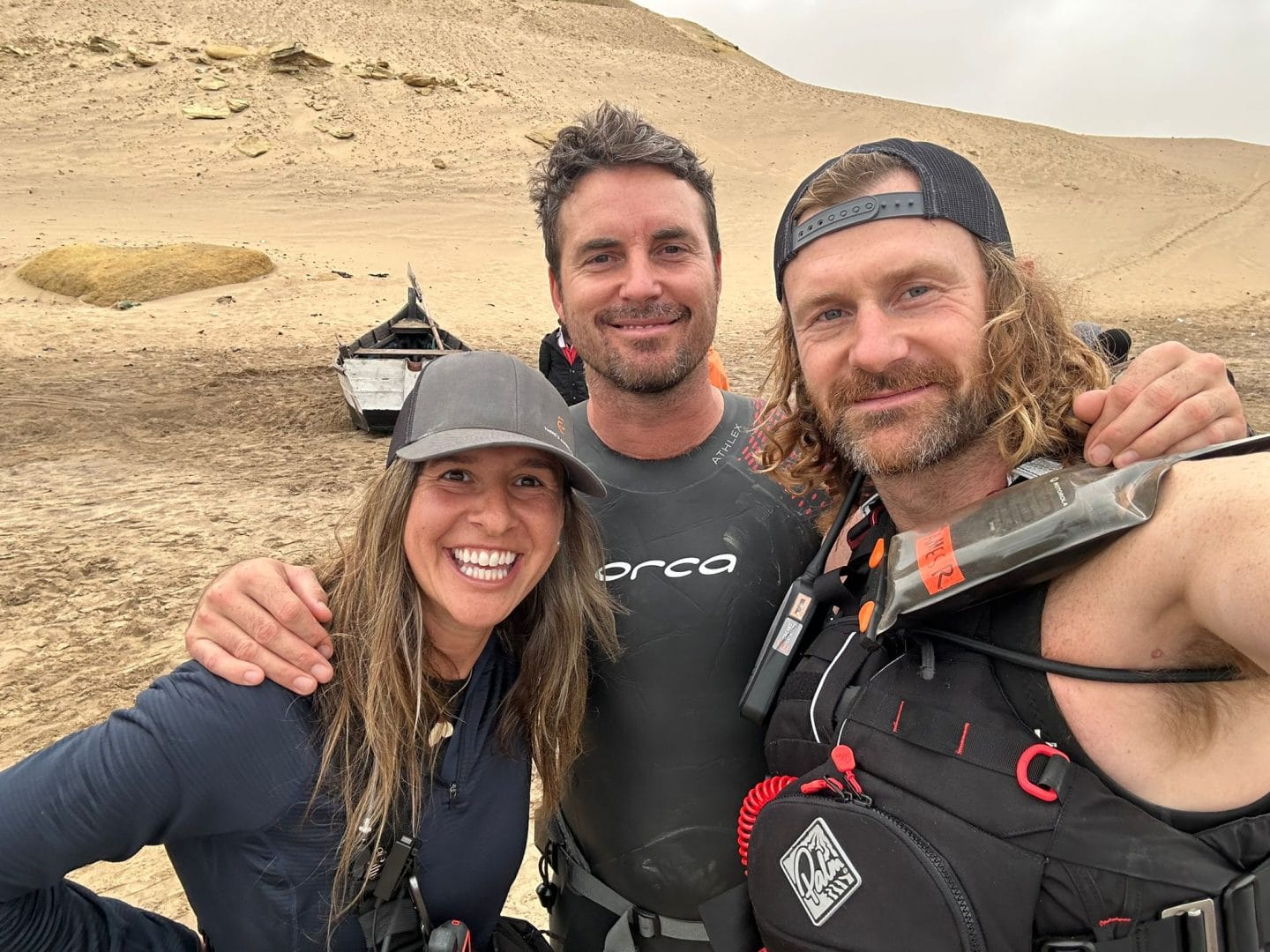
AR stands for Aeromedical Retrieval (emergency medical services via helicopter). At the street race, medical and safety provision covered both the drivers and the crew, with a doctor as lead medic. In the opening sequence, with the presenters out on local boats, the safety team together with a doctor and two paramedics covered the water safety.
ONE TEAM HOLDING THE WHOLE PICTURE
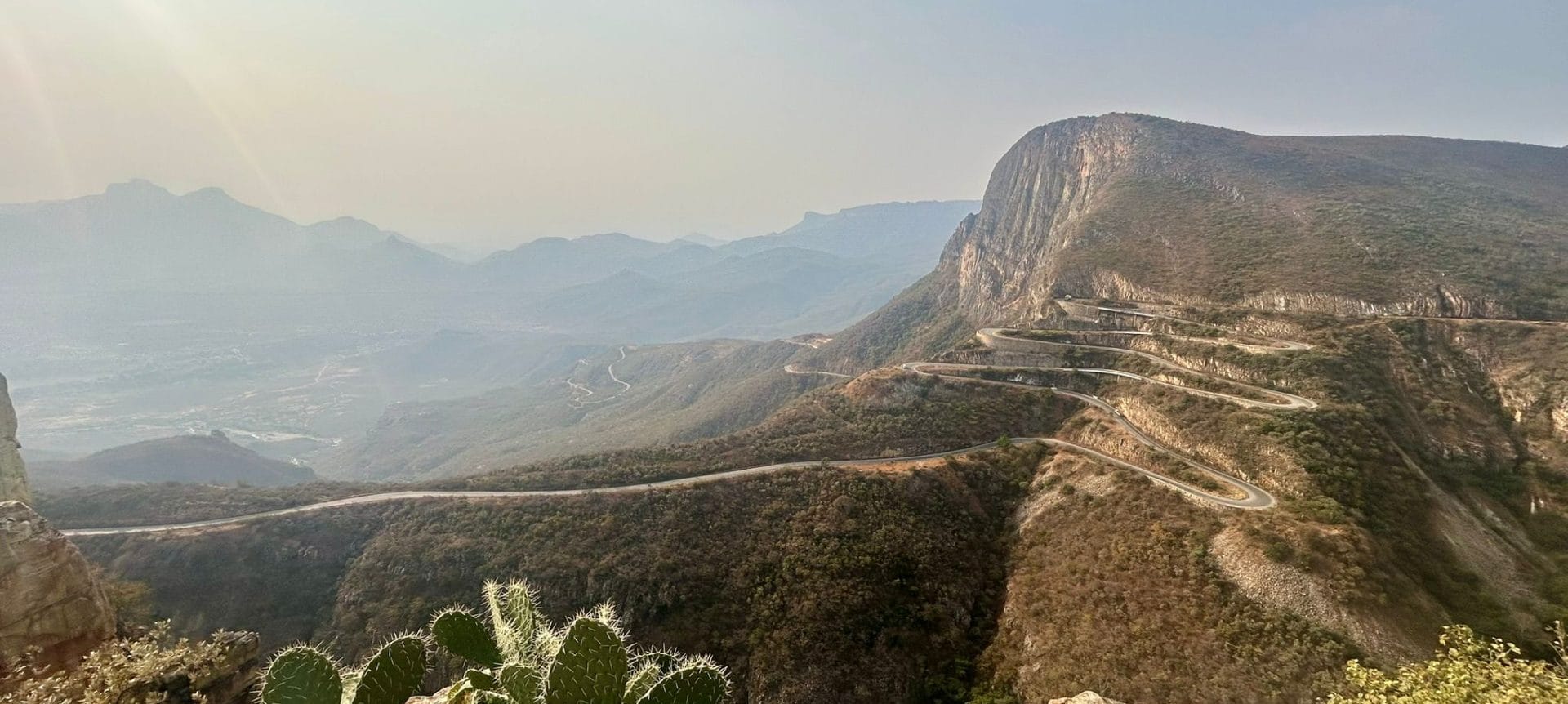
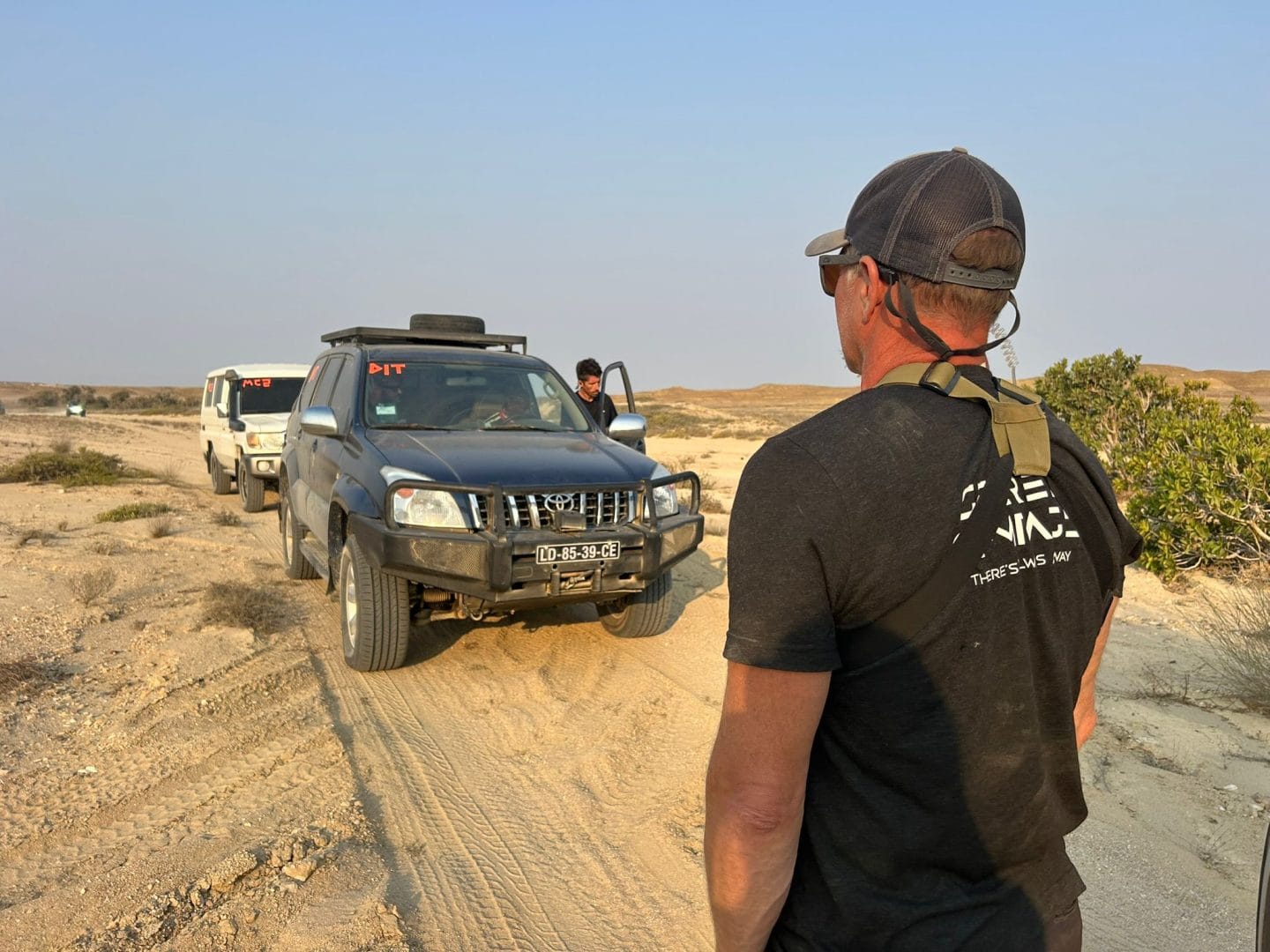
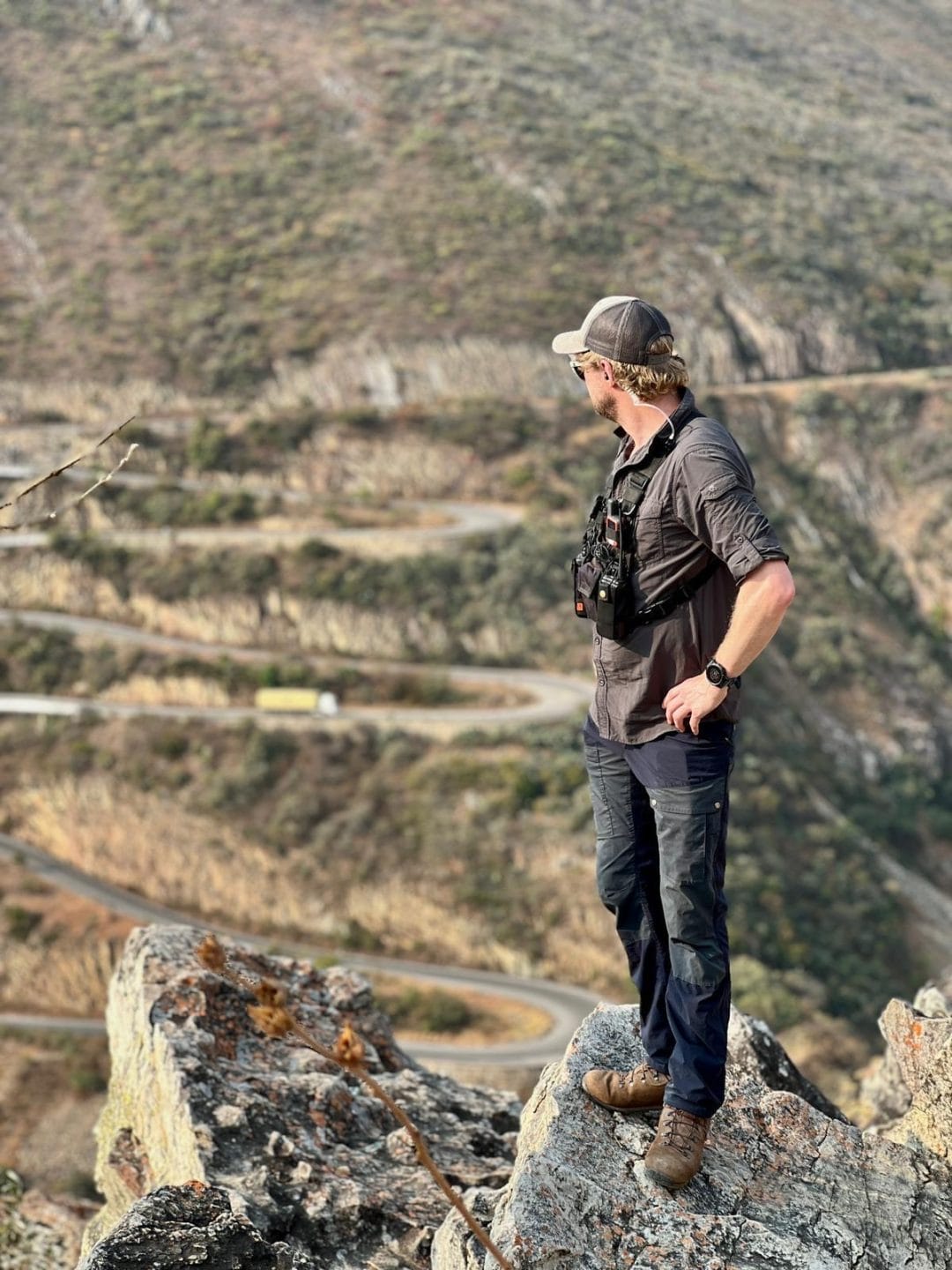
The race was only one part of the Angola leg. Crews moved between locations in vehicle convoys, there were road speed sessions on the Serra da Leba, a mountain pass of tight switchbacks near Lubango, with the same safety team provided water safety for opening sequence. Before this series, Tom says, Grand Tour hadn’t had a safety company overseeing the whole show.
“They would bring specialists in for water safety, or they’d have medics brought in, but there was no one overseeing it from a holistic perspective.”
Tom Bodkin, Co-Founder, Secret Compass
The relaunch changed that. A new production company, a new approach and three new presenters meant everyone was open to doing things differently, and the production company was keen to approach risk management from a new perspective.
WHAT THIS MEANS FOR A PRODUCTION HEADING SOMEWHERE SIMILAR
On Grand Tour, every shoot started with a scout, then a recce, before the shoot itself, and Secret Compass attended all three. A track like this one is the kind of thing that shows up at the scout and recce: what the barriers are made of, what the nearest medical care can realistically deal with, what condition the cars are in. Each answer changes what has to be brought in from outside.
Asked what the Angola job proves to a production deciding who to bring in, Tom started with the two things that made it hard:
“This involved high levels of risk in two elements. One was remote international travel and the other was doing lots of high-risk activities in those places. Then you really want someone who’s competent, in terms of experience and training, in looking at what those risks are and advising you on what to do.”
Tom Bodkin, Co-Founder, Secret Compass
From a production’s point of view, he says, the advantages are measured advice built into the planning early, and an organisation with the bandwidth to look into it all properly when the production team are focused on other priorities:
“You can then do things that maybe you didn’t think were possible.”
Tom Bodkin, Co-Founder, Secret Compass
Where Secret Compass fits
For productions that want expert support through this process, Secret Compass works with production teams from the earliest stages – first-look workshops to identify key risks, full risk assessments tailored to the specific shoot, and safety plans and protocols. Our team has managed risk on 350+ productions across 111 countries for Netflix, BBC, National Geographic and Disney+, from abseiling Will Smith into active volcanoes in Vanuatu to filming in Syria and Afghanistan.
For productions that need a structured starting point to draft their own risk assessment, Secret Compass AI generates a tailored first draft based on your shoot details covering team, activities, location, medical and emergency planning – in minutes. Your team reviews, adapts and signs off.
Talk to our team about your production