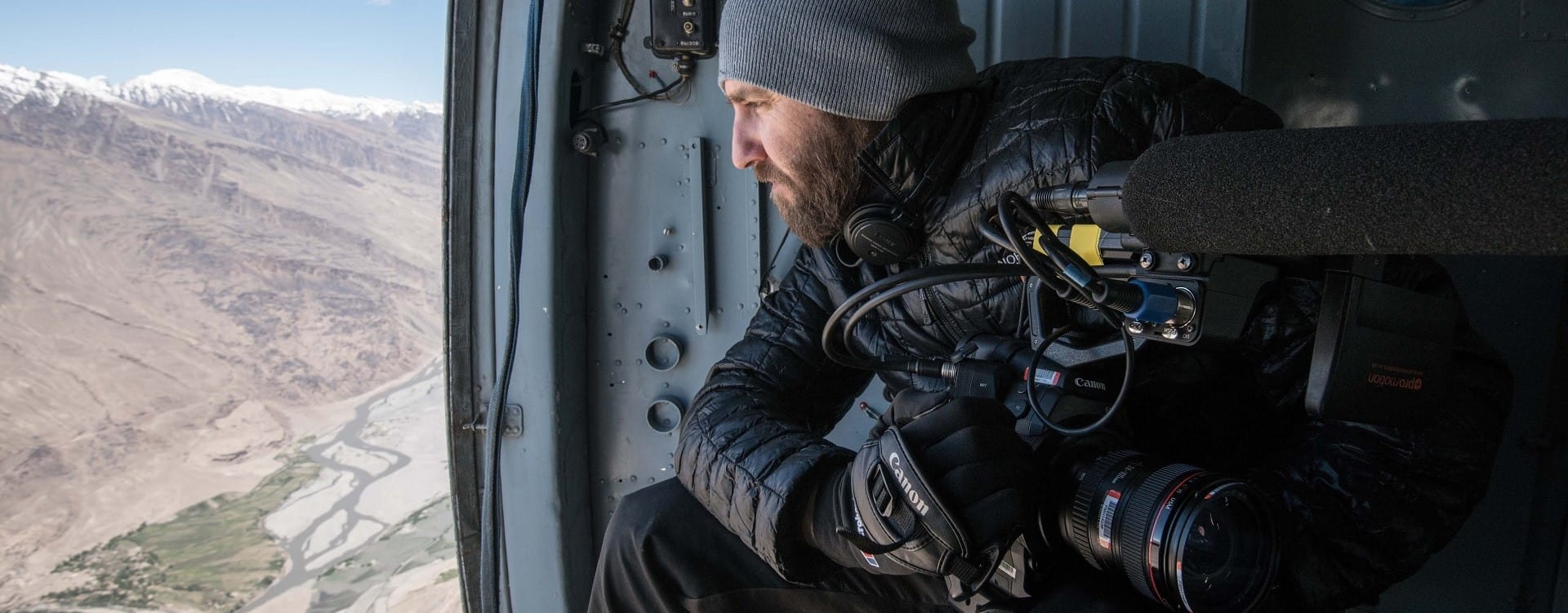
Not every production has the luxury of time. Schedules shift. Locations change. Editorial moves quickly. But the expectation stays the same: a clear, structured production risk assessment that reflects the reality of the shoot.
The challenge isn’t knowing what needs to be in it. Most experienced production teams know exactly what a good risk assessment looks like. The challenge is getting there fast, under pressure, with competing priorities, and usually without a blank-canvas starting point that actually fits the production.
Why risk assessments break down under time pressure
On fast-moving productions, the same problems come up again and again.
Starting from a blank page with limited time. When a shoot is approaching and the risk assessment still needs writing, starting from nothing is a significant time cost. Most teams don’t have a ready-to-go framework that maps to the specific production context, so the first hour goes on structure rather than substance.
Reusing old assessments that don’t quite fit. Adapting a previous document feels faster than starting fresh. Often it is. But old assessments carry old assumptions; locations, activities, and risk profiles that don’t match the current shoot. Editing out what’s wrong takes almost as long as writing it properly, and there’s always a risk something gets missed.
Missing location-specific or activity-specific risks. Under time pressure, assessments tend to stay generic. The risks that get captured are the obvious ones. The ones tied to a specific environment, a particular activity, or an unusual logistical setup are easier to overlook, and those are often the ones that matter most on location.
Inconsistent detail across departments. When different parts of a production are working quickly and independently, the level of detail in risk documentation varies. Some sections are thorough. Others are thin. That inconsistency creates gaps and makes review harder.
This isn’t about experience. It’s about time.
What a good production risk assessment still needs
Even under pressure, the standard doesn’t drop. A strong TV and film production risk assessment still needs to:
Reflect the actual conditions of the shoot. A generic template isn’t a risk assessment. It’s a starting point at best. The document needs to speak to the specific environment, the specific activities, and the specific constraints of this production, not a notional one.
Be specific to location and activity. Risks vary significantly depending on where you’re filming and what you’re doing. A risk assessment for a studio interview and one for a remote location shoot in winter are entirely different documents. Specificity isn’t optional, it’s the point.
Identify the risks that are actually present. Not a catch-all list of every possible hazard. The risks relevant to this shoot, assessed honestly, with enough detail to actually be useful.
Set out clear, practical control measures. What’s being done to manage each risk? Who is responsible? What happens if conditions change? The control measures section is where a risk assessment earns its keep. Vague or generic entries here undermine the whole document.
Be structured so others can follow and act on it. A risk assessment isn’t just a compliance document. On a live production, it gets read by people making decisions quickly. Clear structure, consistent format, and plain language aren’t nice-to-haves.
A practical way to build a first draft quickly
Rather than starting from scratch or reshaping an old document, begin with a structured first draft.
That draft provides:
- a consistent framework
- a clear starting point
- something that can be sense-checked and refined
It does not replace experience or judgement. It gives you something solid to work from, faster.
Where Secret Compass AI fits
Secret Compass AI is built for the day-to-day reality of TV and film production, developed by a team that has managed risk across 350+ productions in 111 countries for Netflix, BBC and National Geographic. Tight timelines, changing plans, the pressure to produce clear usable documentation quickly, it’s designed for exactly that context.
It generates a structured first draft based on the details of your shoot, giving your team something solid to work from rather than a blank page. From there, you review, adapt, and develop it against the realities of the production. The expertise stays with you. The time saved is real.
It’s designed for the productions where the bottleneck is time, not knowledge. For complex or high-risk environments requiring specialist risk management, Secret Compass provides that directly.
Create a first draft in minutes
Create a first draft production risk assessment in minutes with Secret Compass AI.
Or, if you want to see how it fits your workflow:
Frequently asked questions
A production risk assessment outlines the hazards associated with a film or TV shoot and the measures in place to manage them. It should reflect the specific location, activity and conditions of the production.
Start by identifying the specific risks linked to the shoot — location and environment, logistics and travel, crew and equipment, and medical provision. For each risk, define a practical control measure and assign responsibility. The document should reflect the actual conditions of this shoot, not a generic or previous production. Most experienced teams start with a structured framework or first draft rather than a blank page, then refine it against the realities of the production before anyone is on the ground.
It is possible to create a strong first draft quickly if you start from a structured framework. The key is ensuring it is then reviewed and adapted by someone with relevant experience.
A thorough risk assessment for a straightforward shoot can take several hours when written from scratch, longer for complex locations or multi-day productions. Starting from a structured first draft significantly reduces that, freeing up time for review and refinement rather than document-building.
Generally, yes. Each location carries its own specific hazards; terrain, access, weather, local logistics, that a single generic document can’t adequately cover. Where multiple locations share similar characteristics, a core document can sometimes be adapted, but it should always be reviewed against the specifics of each site.
A risk assessment identifies the hazards and evaluates the level of risk. A method statement sets out how the work will be carried out safely, the step-by-step process for managing those risks on the ground. For many productions, both are required, and they work together.
Responsibility typically sits with the producer or production manager, though the practical work is often shared across departments. What matters is that the person completing it has relevant knowledge of the shoot and that it’s reviewed before anyone is on the ground.
Post tags: