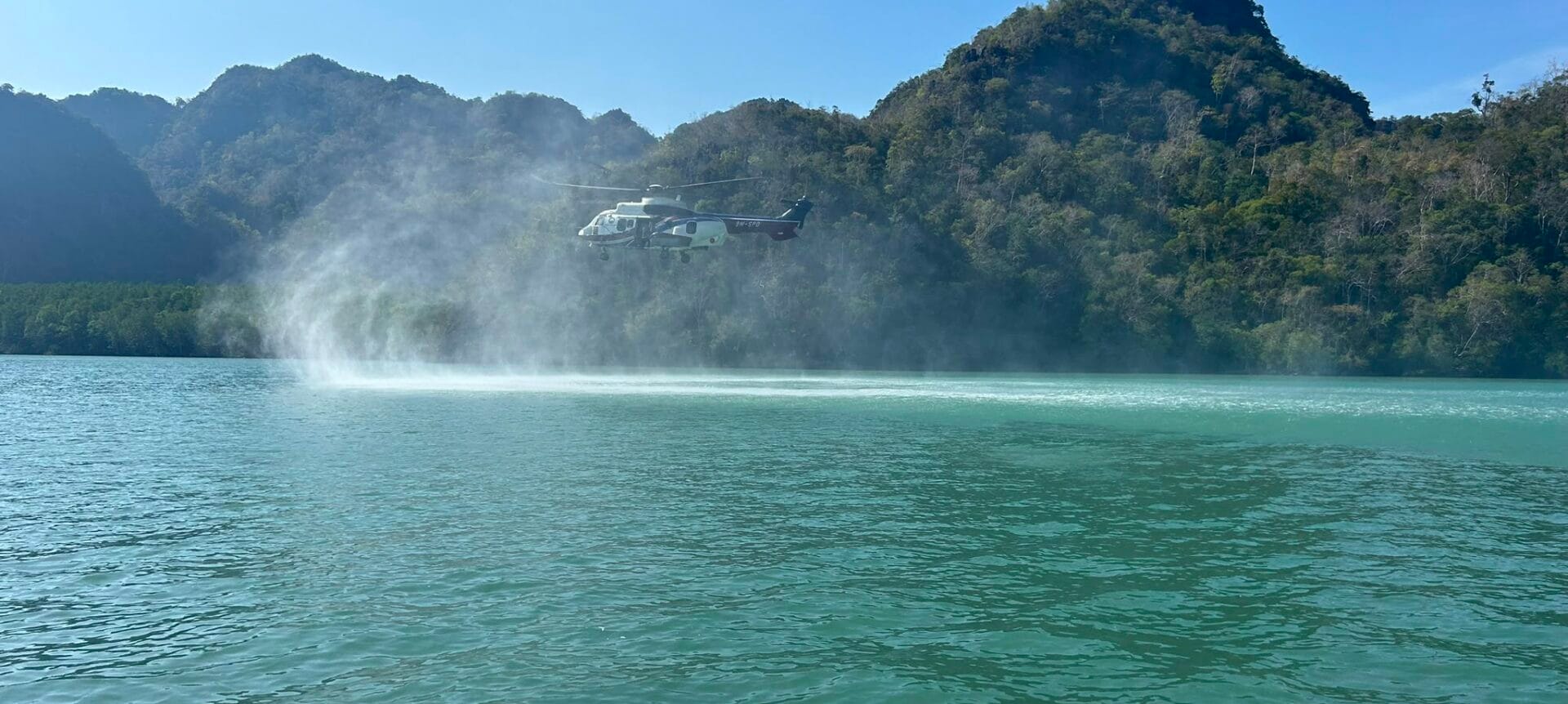
If you’ve been watching Special Forces: World’s Toughest Test, you’ll have seen recruits jumping backwards out of a helicopter into the sea, hauling supply bags 300 feet above the jungle canopy and rappelling down a 22-storey building, all while being pushed to their limits by the DS. It looks dangerous because it’s meant to. That’s the show.
Getting those tasks on screen safely takes a lot of planning. Rope systems with backup, water safety teams in position, remote medical cover and decisions made in the moment on location, most of it happening out of sight.
“They want stuff with maximum perceived risk, and our challenge is to make sure that’s more perceived risk than it is real risk. That’s the fine line we try to tread.”
Lachlan Bucknall, Safety Lead, Secret Compass
Risk that comes with the format
This show sets out to recreate military selection. Activities like that carry some risk of minor injury, however well they’re planned. The approach is the same one Secret Compass takes on every show where the editorial calls for real risk, from The Grand Tour to Special Forces: get the risk as low as reasonably practicable, then agree with the production exactly what’s left before anyone starts.
Tom Bodkin, founder of Secret Compass, led the team on this series. He puts it simply: “With any physical contact task, someone may pick up a knock. That’s predictable, so it’s planned for and agreed with the production in advance, and the medical cover is in place before anyone starts.”
It starts months before filming
Most of the safety work on a show like this happens before a single recruit arrives. We’re involved while the production is still deciding where to go. If they want jungle, where in the world gives them that without being hours from decent medical care? What wildlife will the team be working around?
Then come the task ideas. Challenge producers bring them in, some straightforward and some less so.
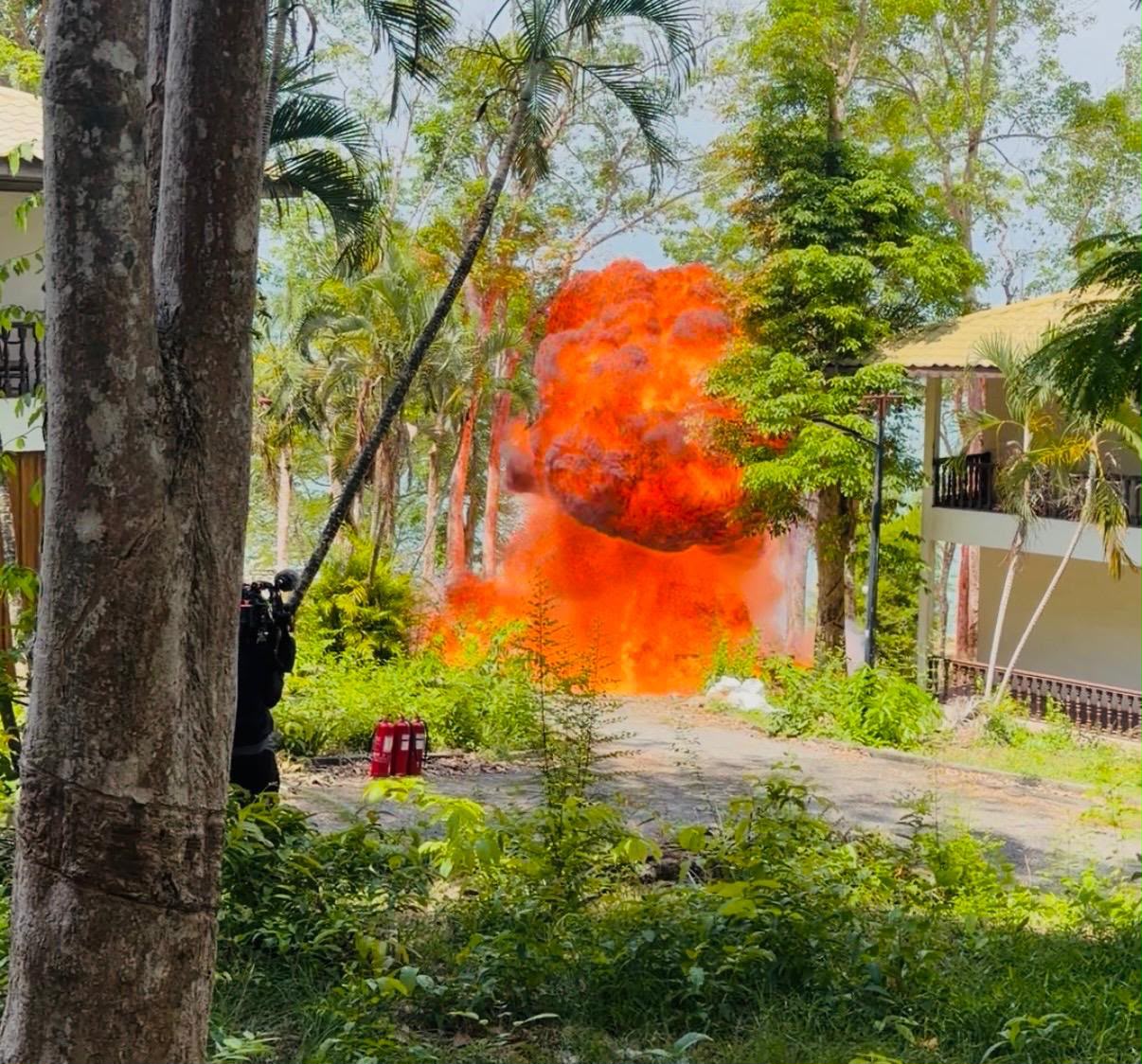
“I’ve literally had: can we set someone on fire and then they do a backwards dive off a barge into water?” says Lachlan. “And you’re like, okay, right, let’s work that one through.”
“By being involved early, we can help them filter out things that aren’t going to be within their budget or within their risk tolerance levels. If we’re brought in late, there may not be time to resource it. They may not have the money to resource it.”
Tom Bodkin, Co-Founder, Secret Compass
Some ideas die early, and that’s useful. One mountain location looked perfect until you factored in heli-only access and fog that could roll in and ground everything after the heli time had been paid for. The team would also have needed enough kit up there to survive a night on a glacier.
working at Height
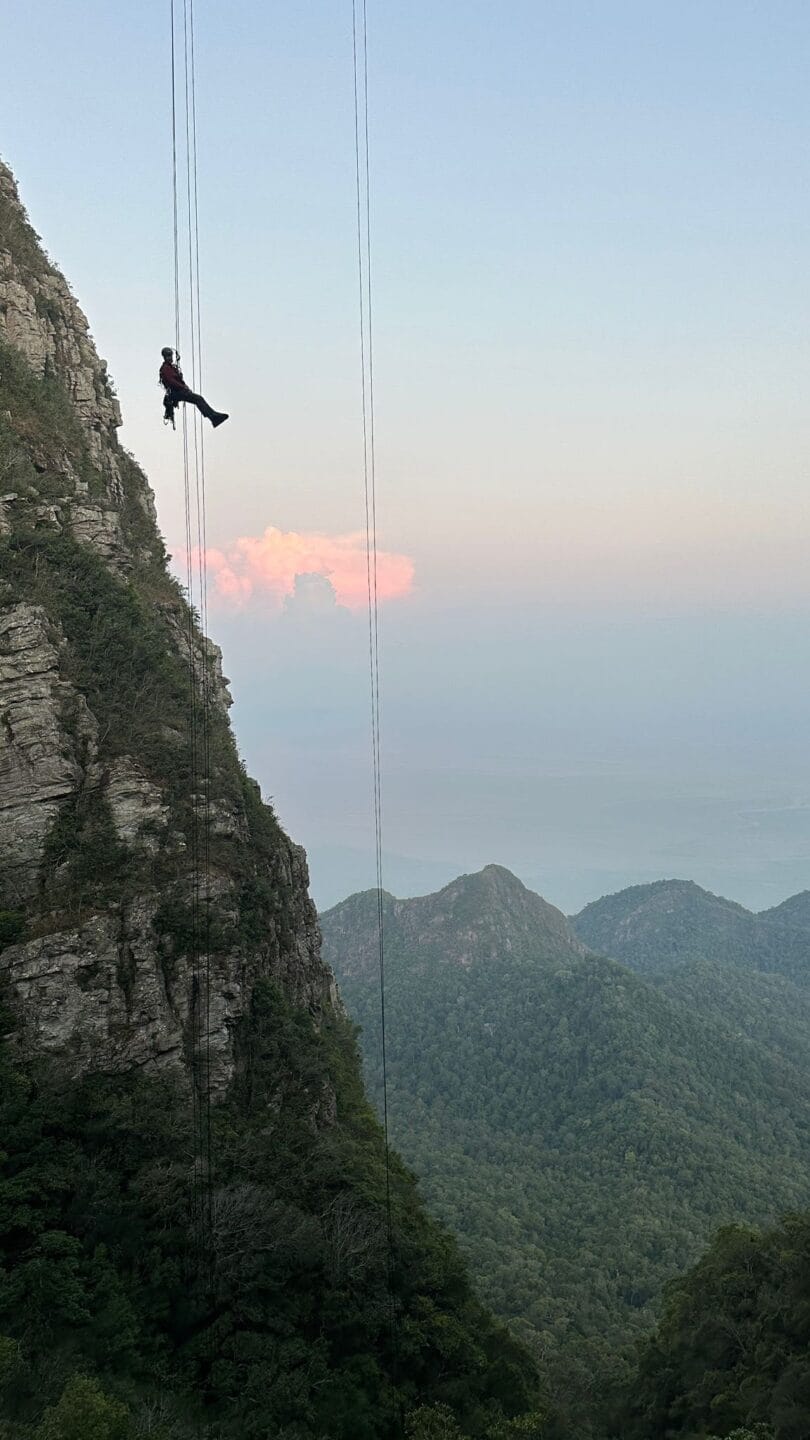
Height shows the balance best. People’s fear of heights comes out on camera whatever the real danger, which makes it great television.
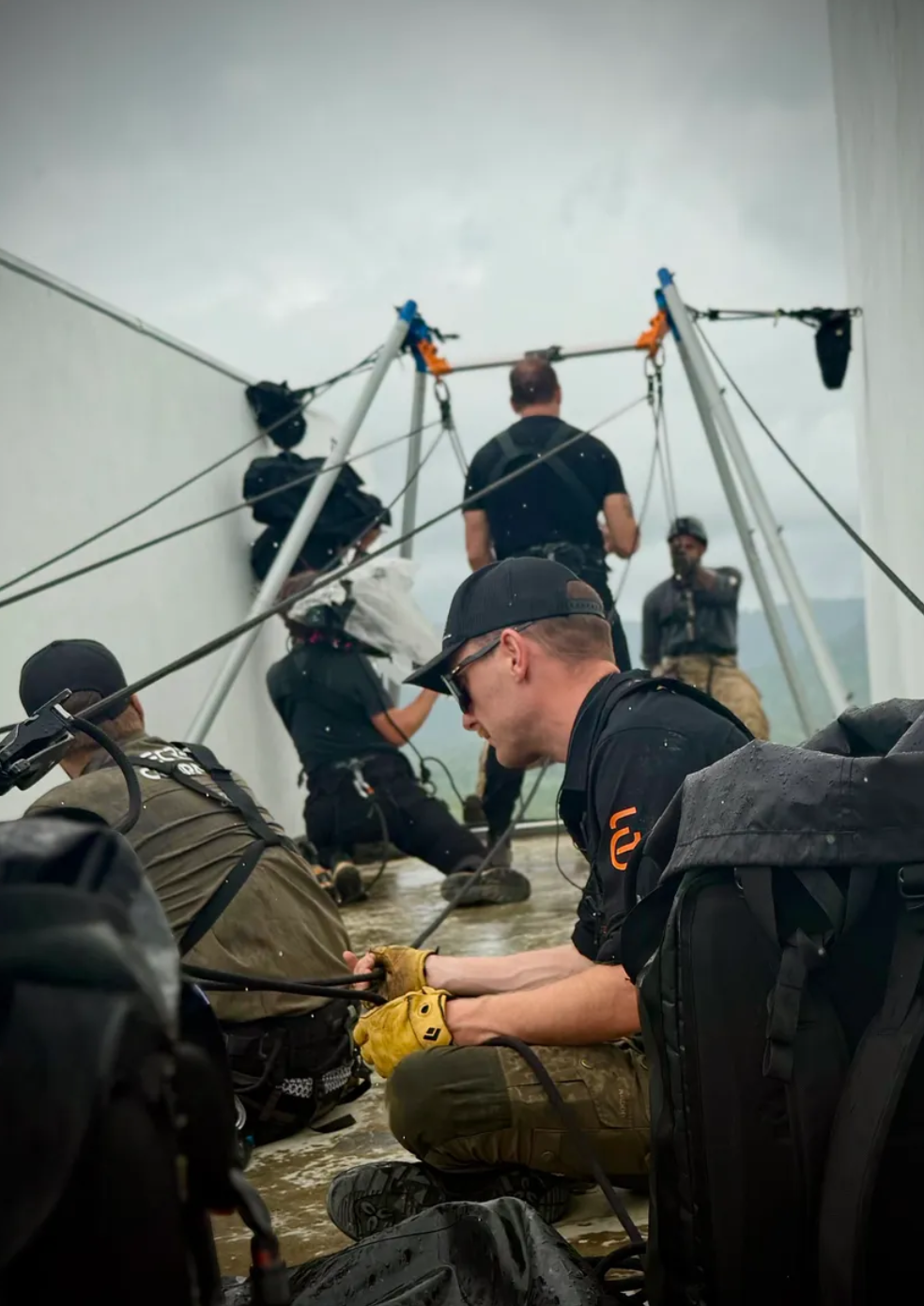
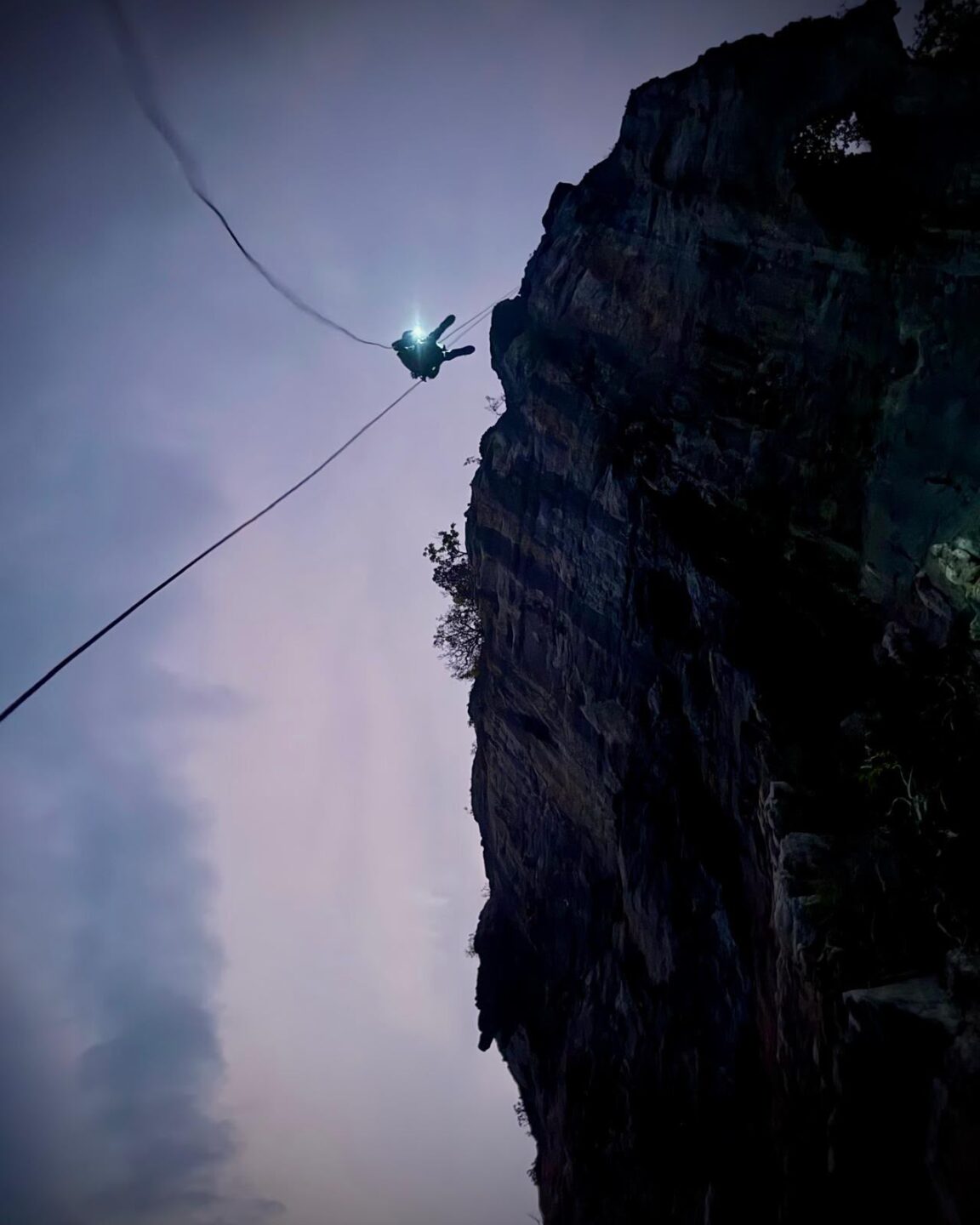
“It’s at height, it looks scary, people’s intrinsic fear of heights comes out and you get a reaction,” says Tom. “But actually it’s all very controlled, because it’s on a rope system that is backed up and has redundancy.”
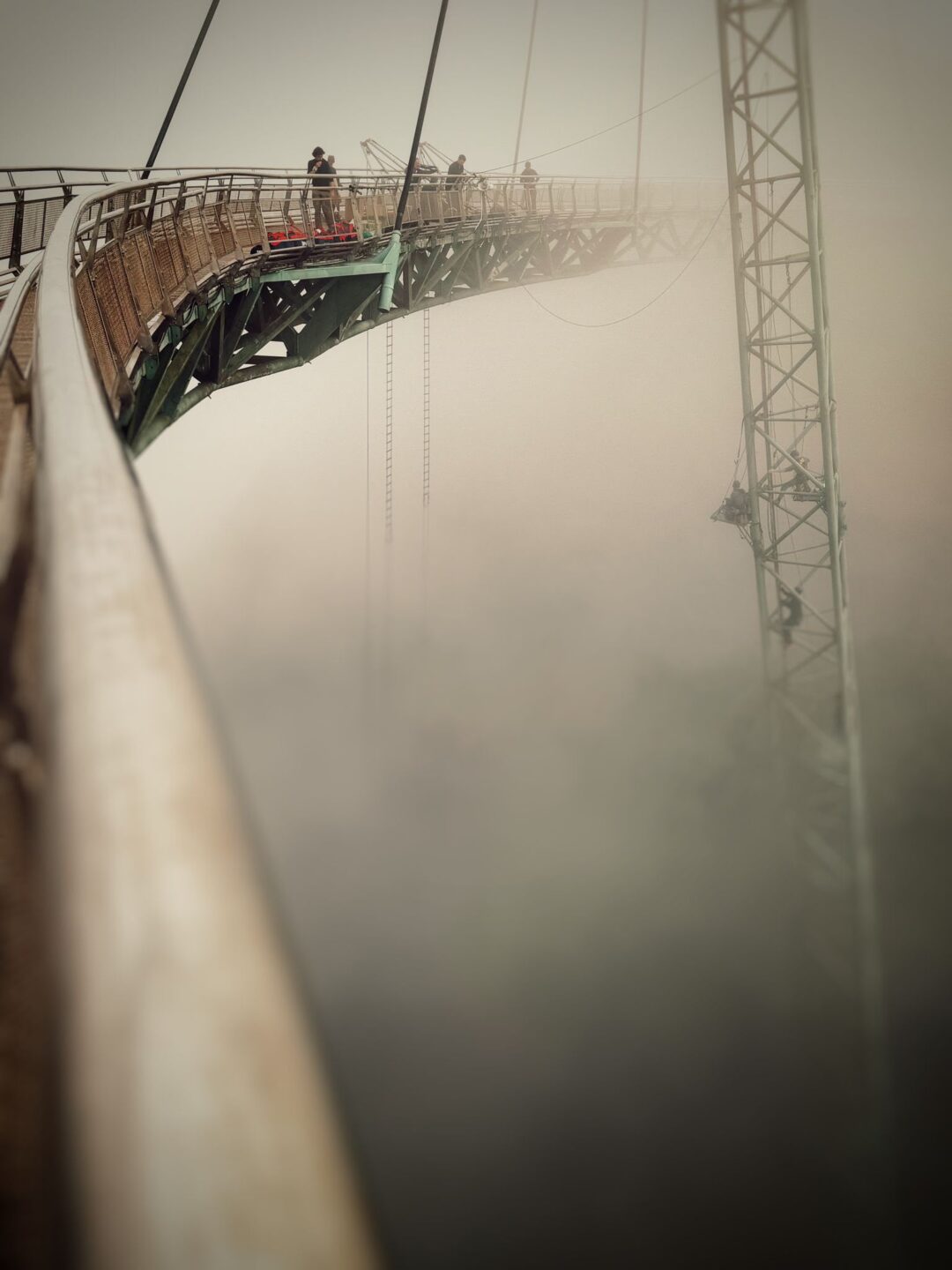
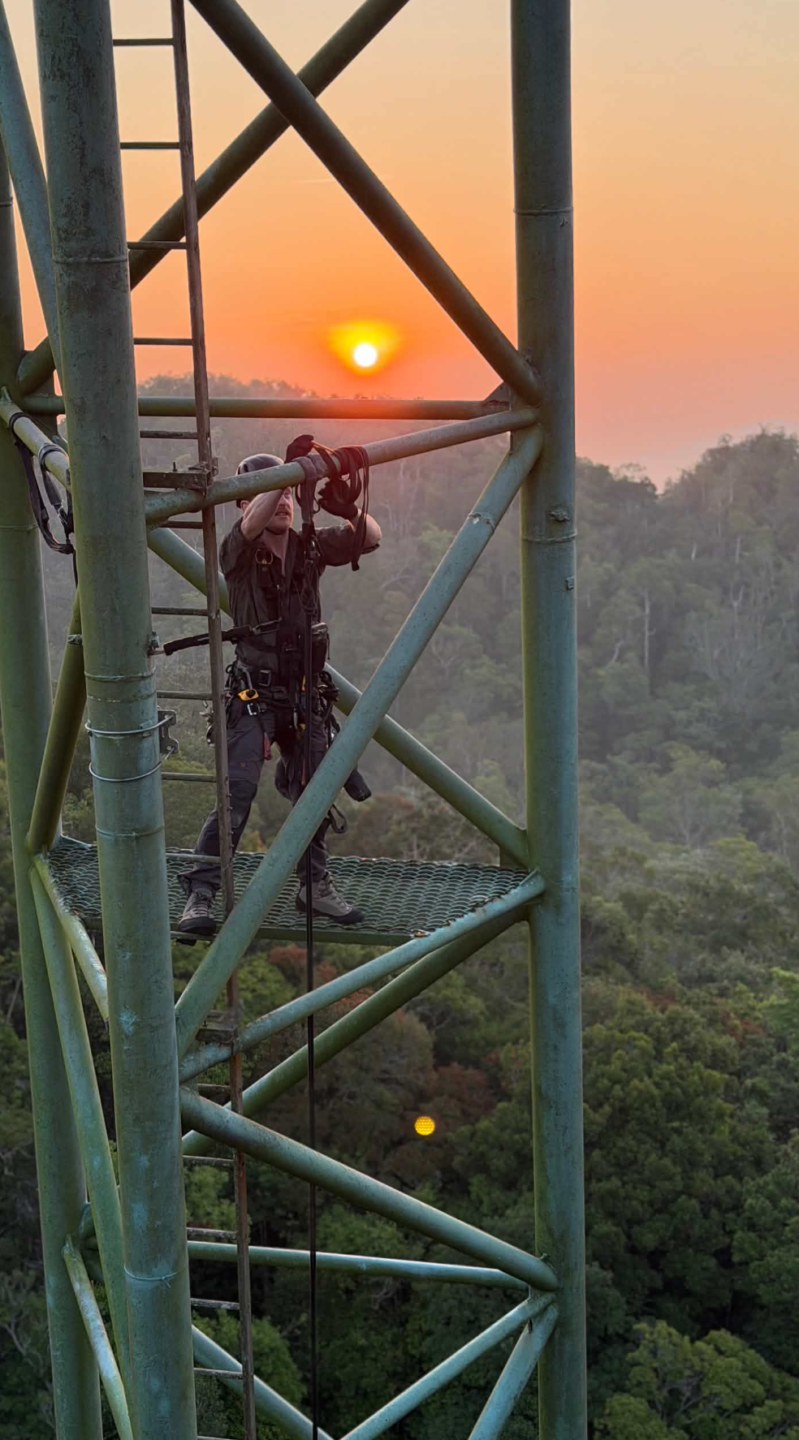
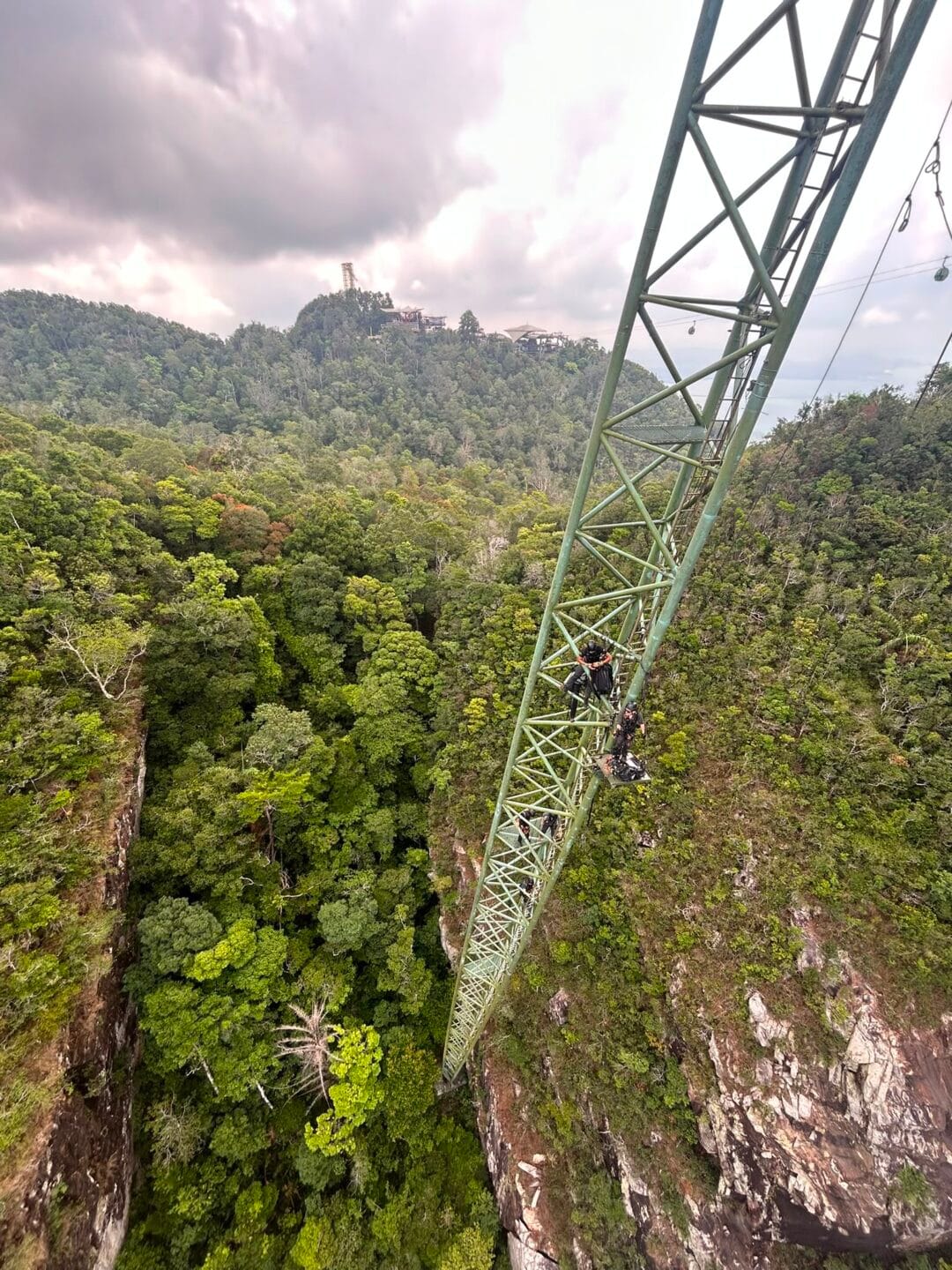
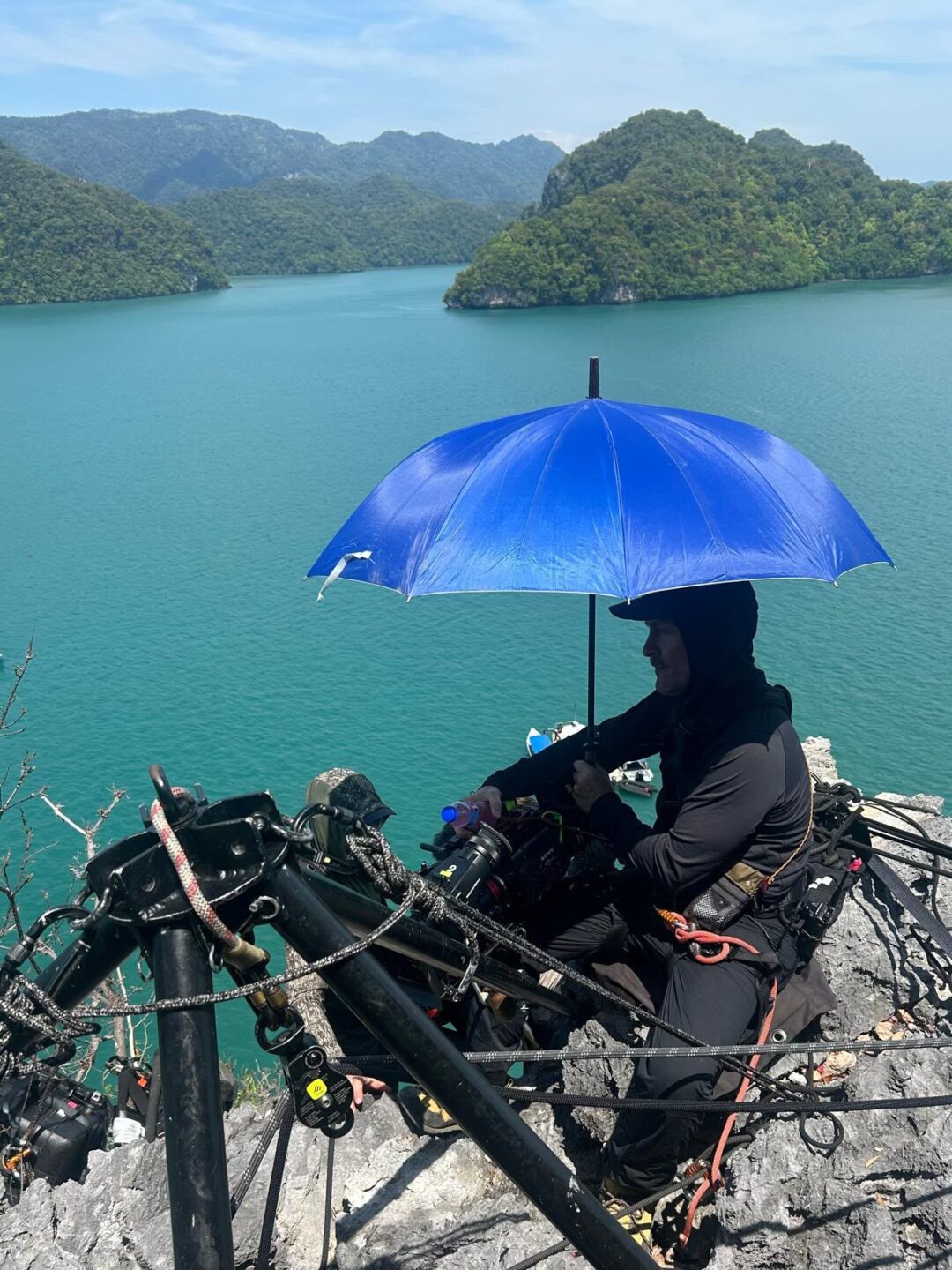
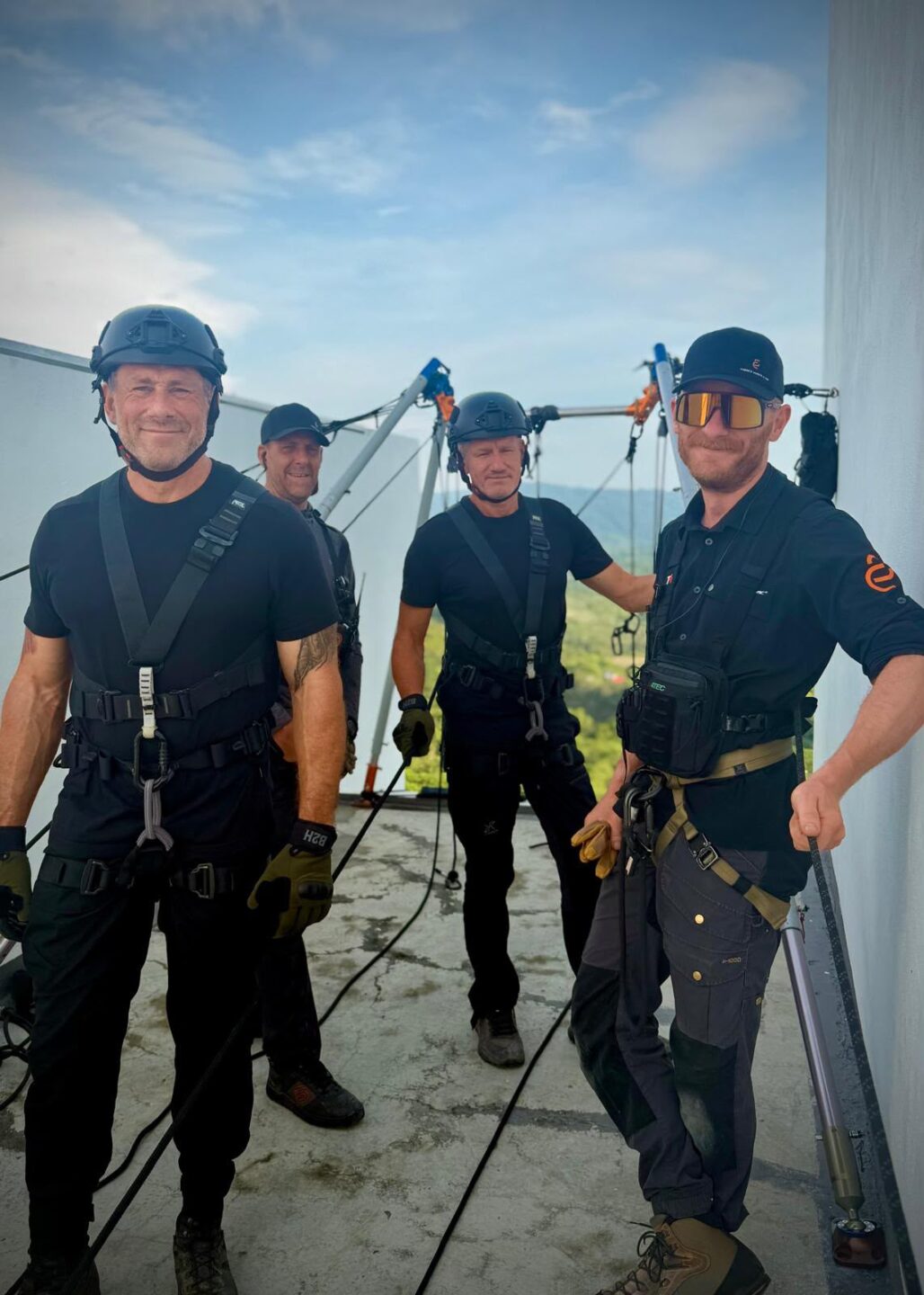
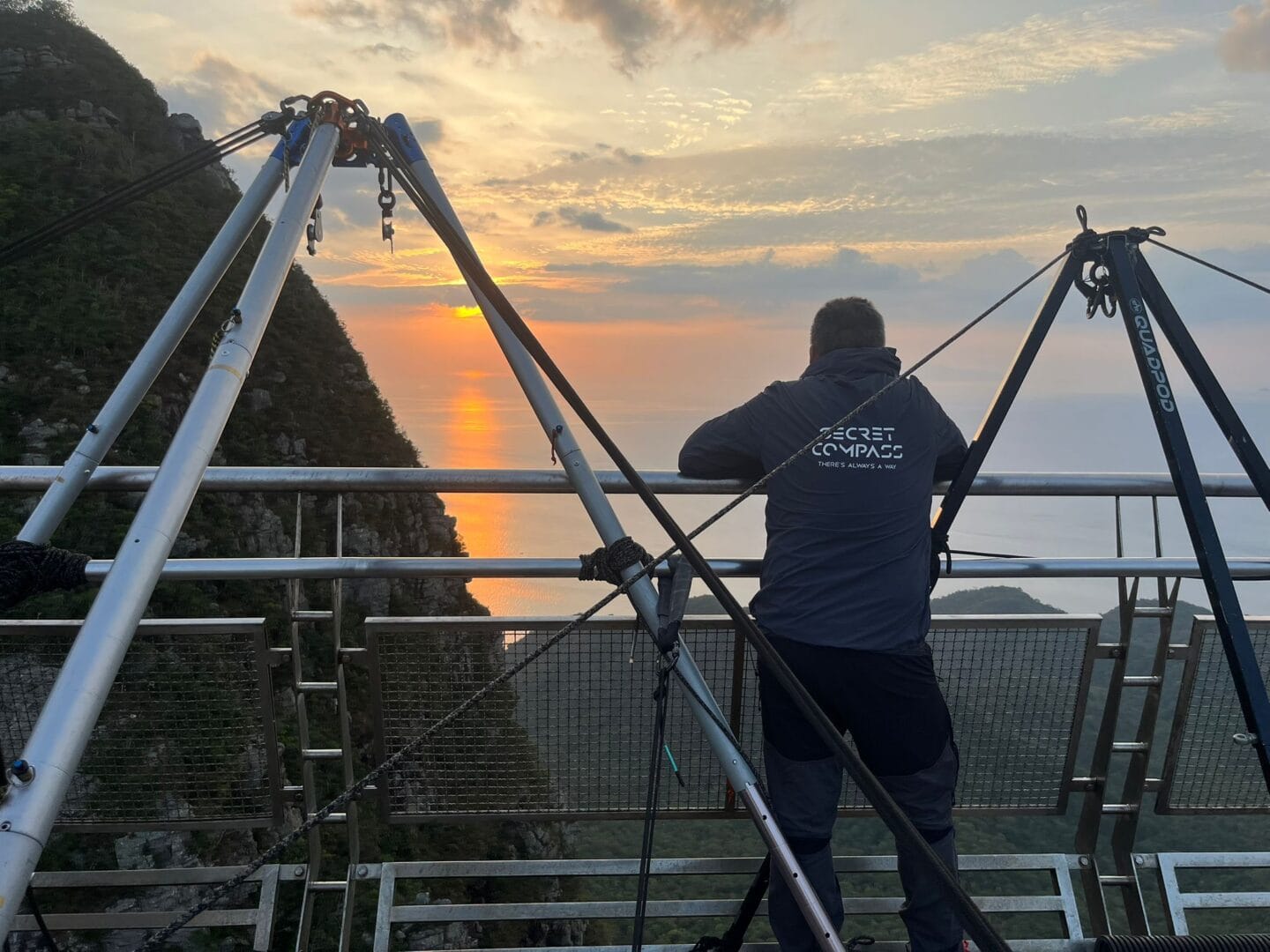
On the Langkawi Sky Bridge, recruits climbed out on caving ladders around 100 metres above the ground. Every one of them was on a rope system, rigged and run by our team from tripods on the bridge deck, most of it set up before first light.
The edit often wants more. A dynamic fall, where someone drops a few metres before the rope catches them, looks far more dramatic than being held tight. During planning, the team advised the production on how the task should be designed. On a structure where hands and arms end up through gaps in the steelwork, a long fall could break a limb, so the falls were kept short. On the day, the rope team put that plan into practice.
Water safety
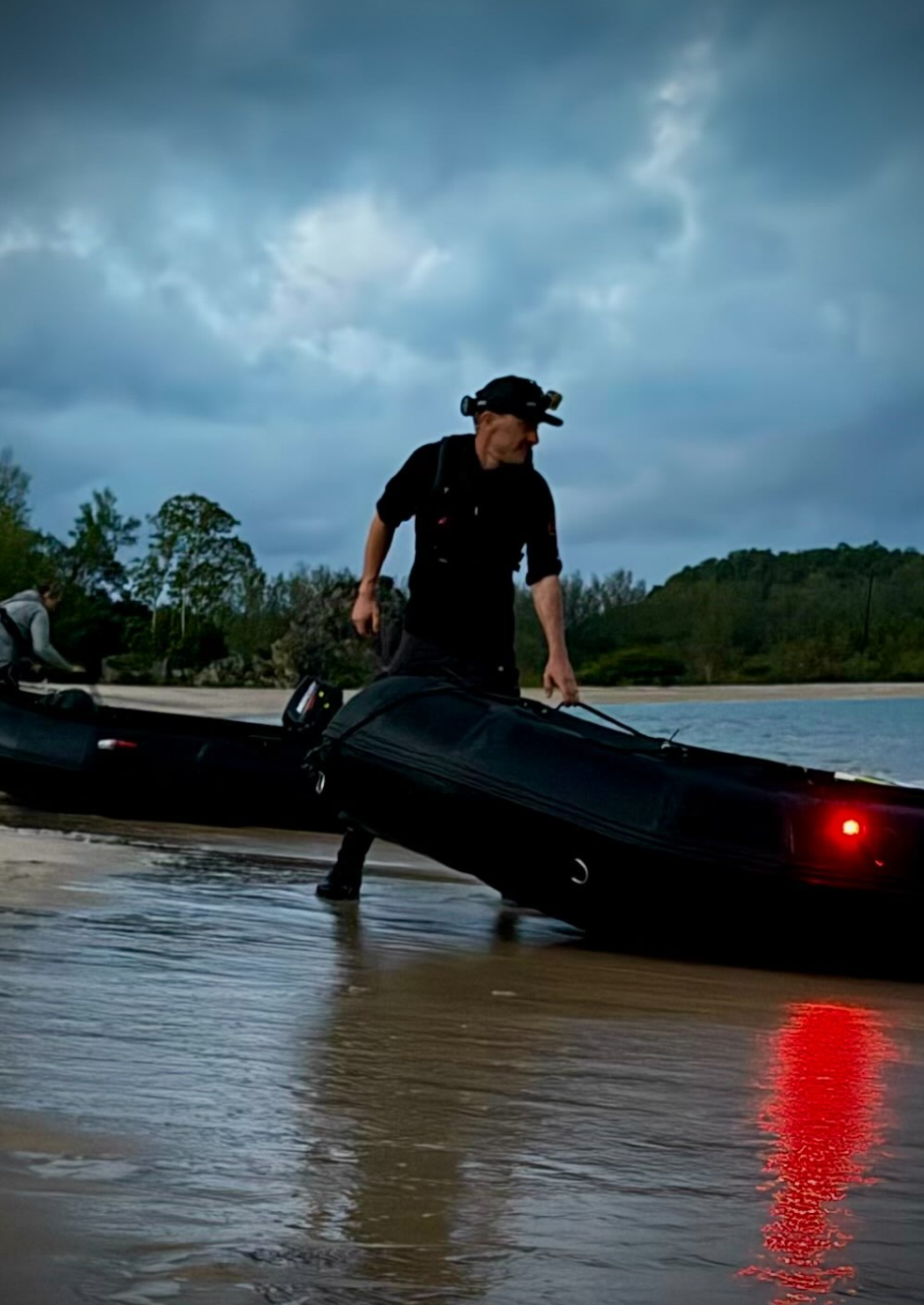
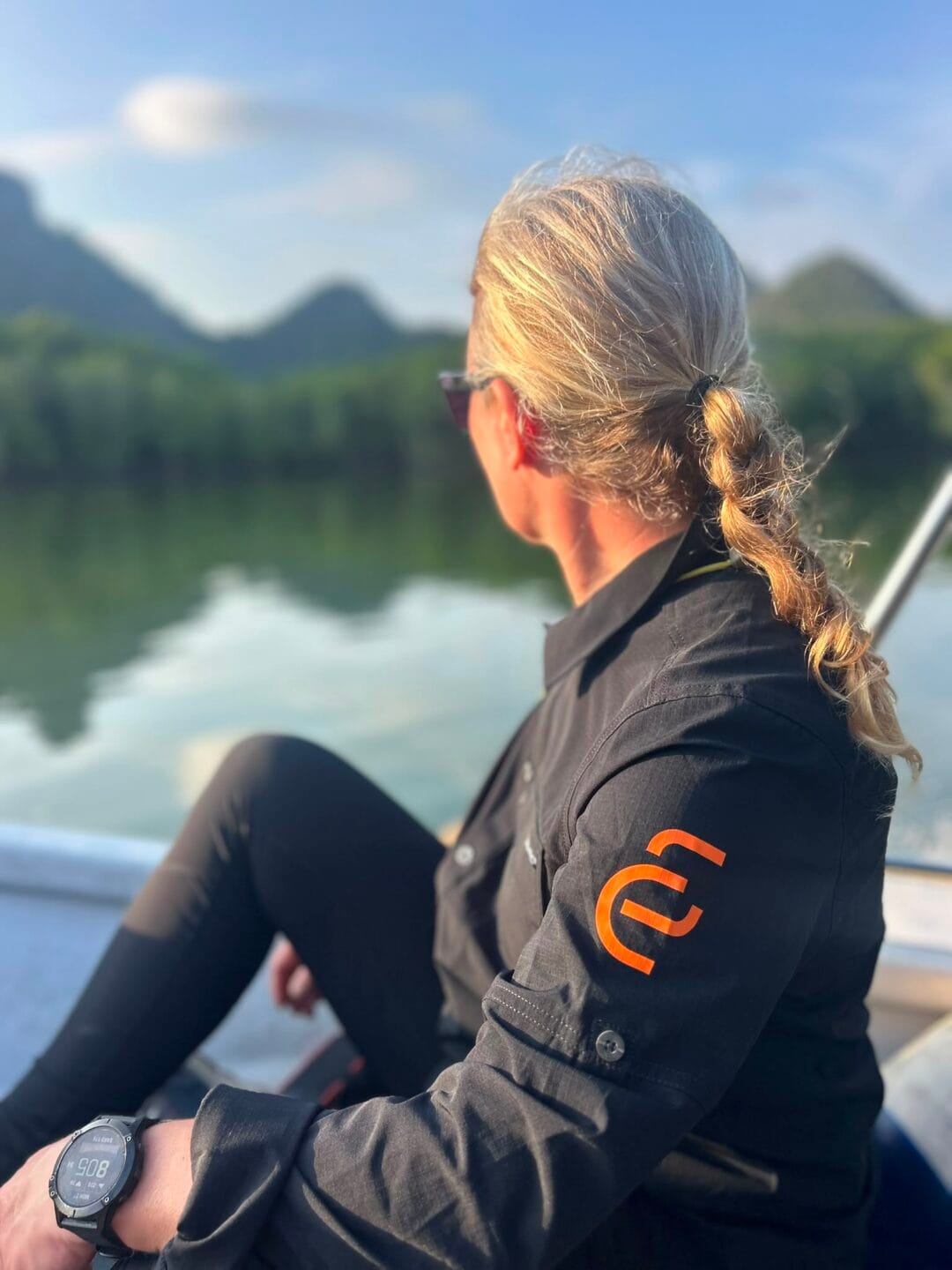
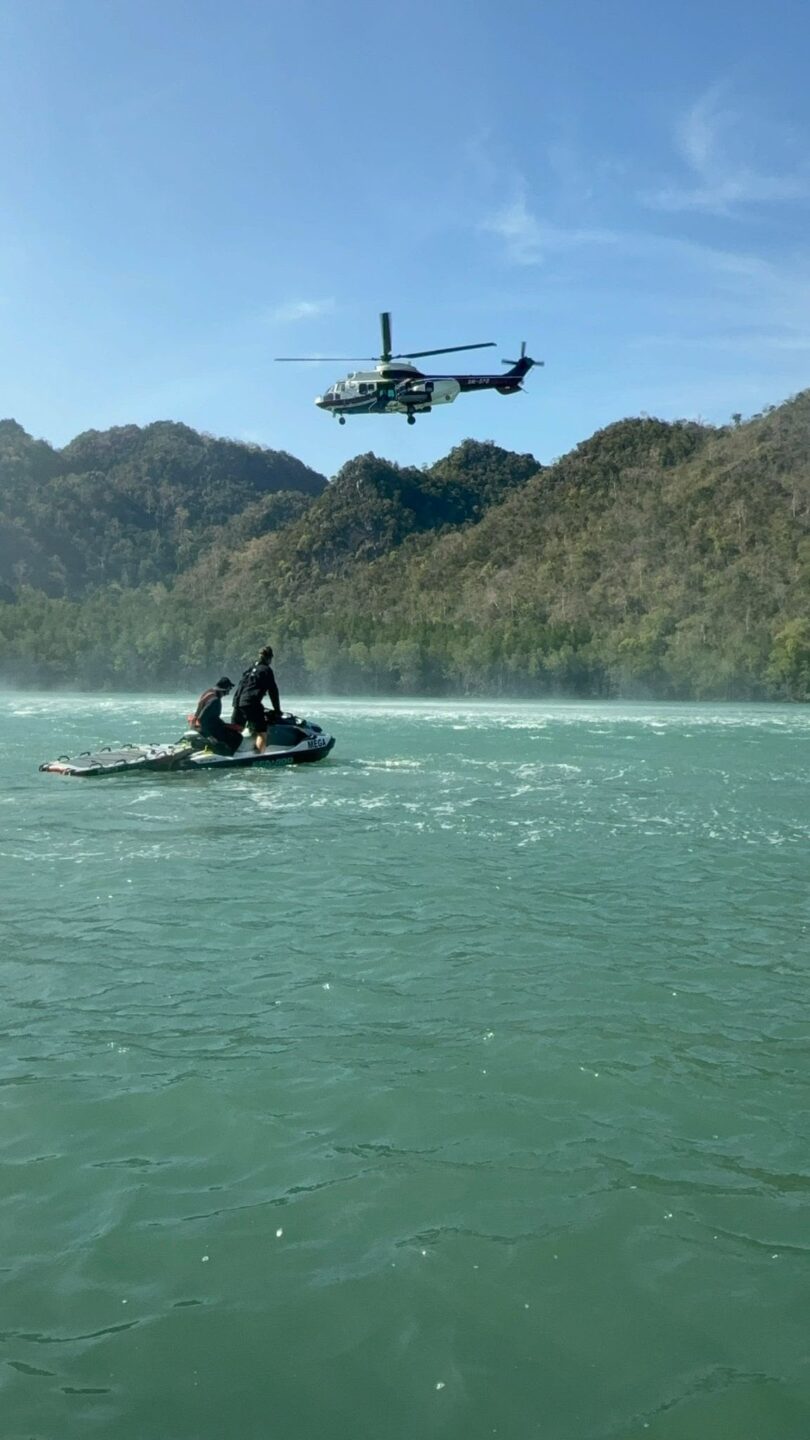
On water tasks, safety boats and swimmers sit just out of shot. They need to be close enough to reach someone in seconds and far enough back to stay out of the edit. Most of the time nobody needs them, and the audience never knows they were there.
Briefing people for risks you can’t tell them about
Before filming starts, every recruit is briefed on the risks they could face. The catch is that nobody can tell them what the tasks are.
“You have to be really broad brush,” Lachlan explains. “You may be operating at height, you might be on a rope system, you might be going in the sea, there’s certain wildlife in the jungle. You can’t tell them what task they’re going to do, although they’ll have watched all the previous shows.”
They need to understand the risks prior to the show and before they undertake the task, so they can give their informed consent to take part and expose themselves to that risk. Any recruit can still say no to a task on the day.
Reading people, not just tasks
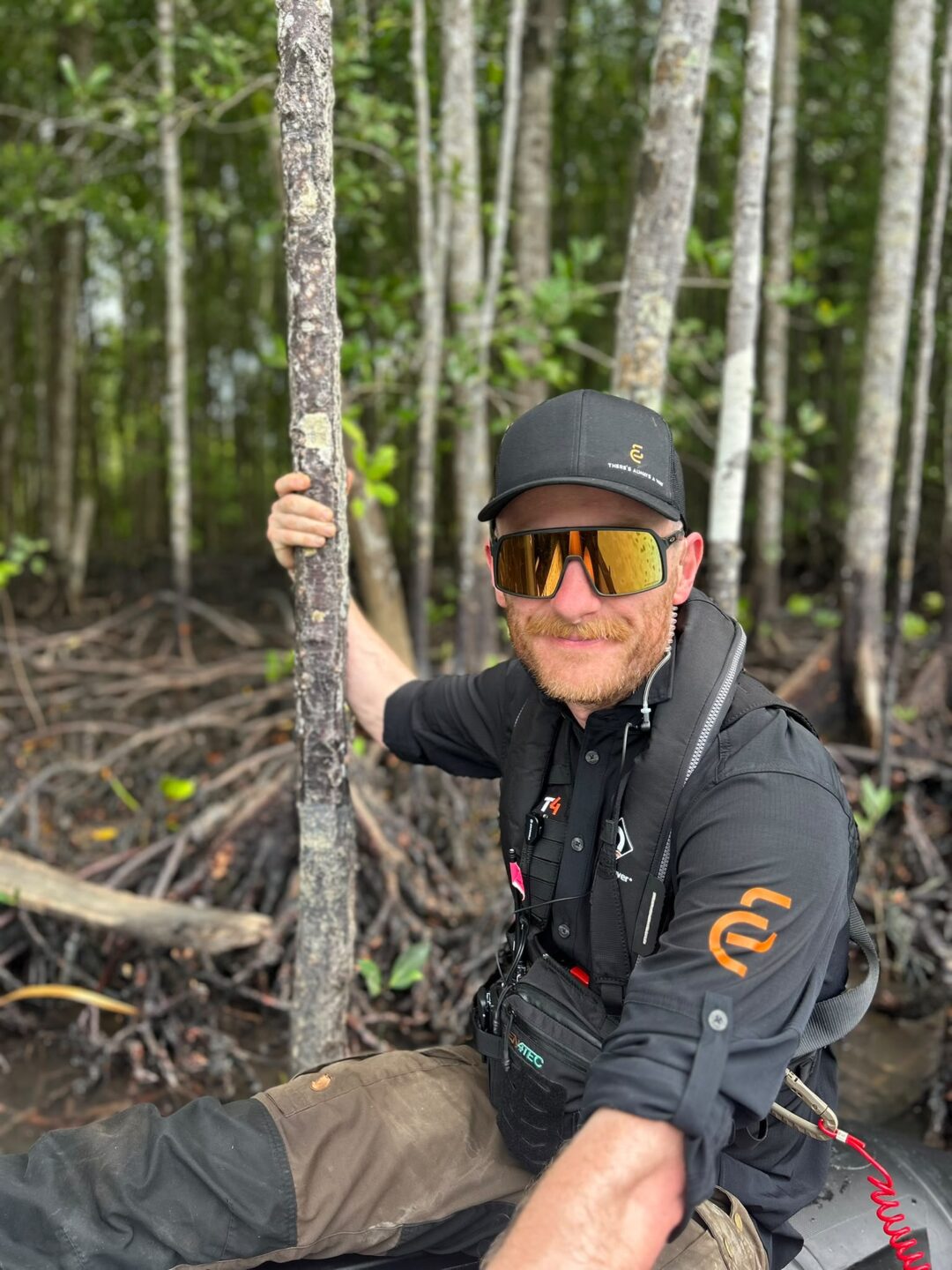
The recruits are fit and motivated, but most have no training for any of this. They’re cold, tired and under pressure for days at a time, and they react in ways you can’t fully predict. That’s what makes the show, and it’s why so many safety calls happen in the moment. Someone struggling in the water might be good television and completely safe, or close to real trouble.
As Lachlan puts it, “There’s dynamic decisions in the moment, so they get what they need story-wise, but within a risk tolerance that’s acceptable to everyone. And it has to be acceptable to everyone.”
Working behind the DS
For the recruits, the DS are running a real selection course. If the safety team keeps stepping into frame, that falls apart.
“We need to do what we need to do without bursting the bubble for the cast,” says Lachlan. “They’re on a course and the DS are running it, and we need to keep it that way.”
A military background helps here, and not only for safety. Our consultants know what real selection training looks like, so they understand what production needs from each task.
“We know what the military involves, and that helps us,” Tom says. “When an ambitious idea comes in that can’t be done the way it’s pitched, we can usually suggest a way of doing it that’s safer and often looks even better on screen.”
The team behind it
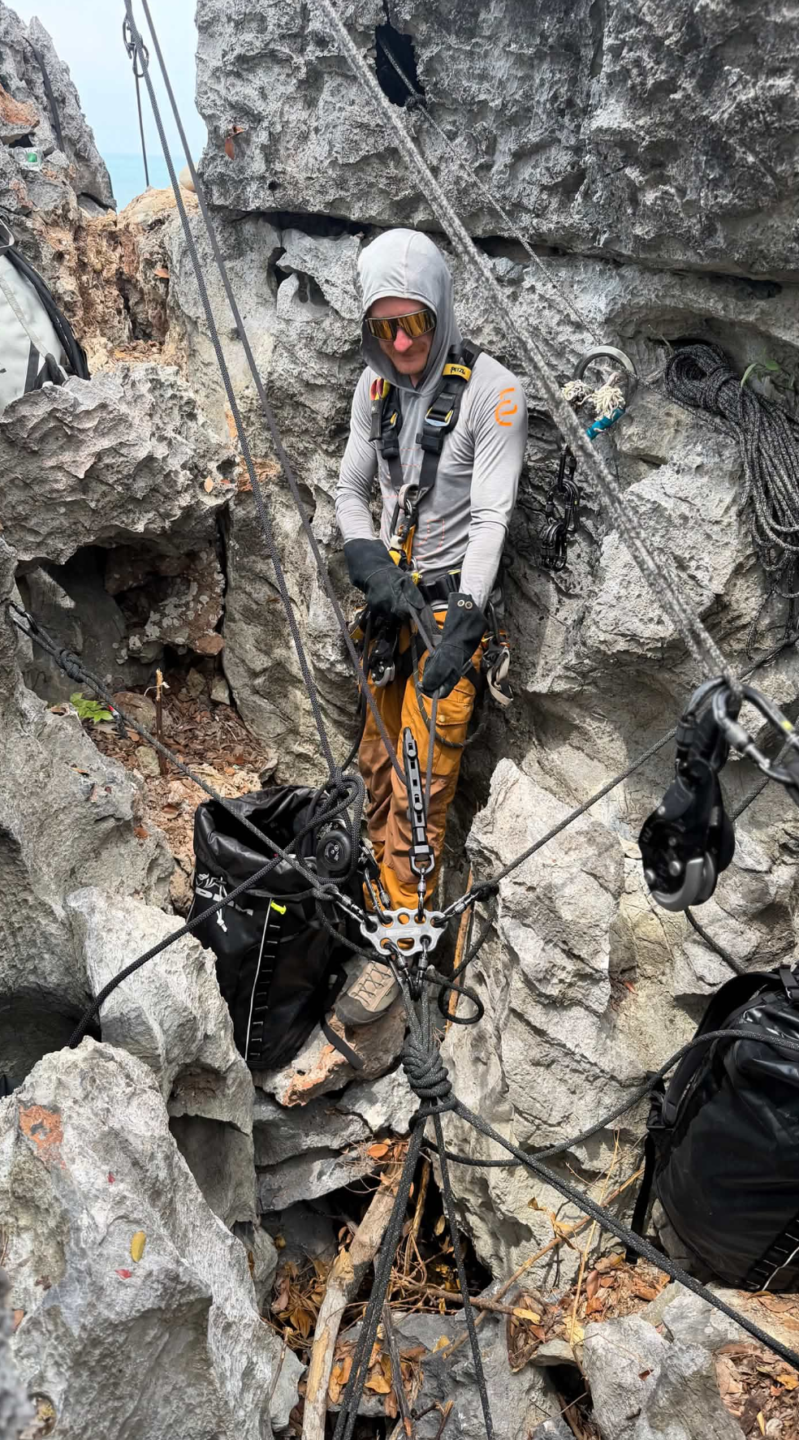
On location, every consultant covers more than one job. Paramedics who are also rope rescue technicians, lifeguards and jet ski operators. When a waterfall is running too high for the planned task, or a river turns out to be beyond the recruits’ swimming ability, the team can work up something else that day without waiting for extra people.
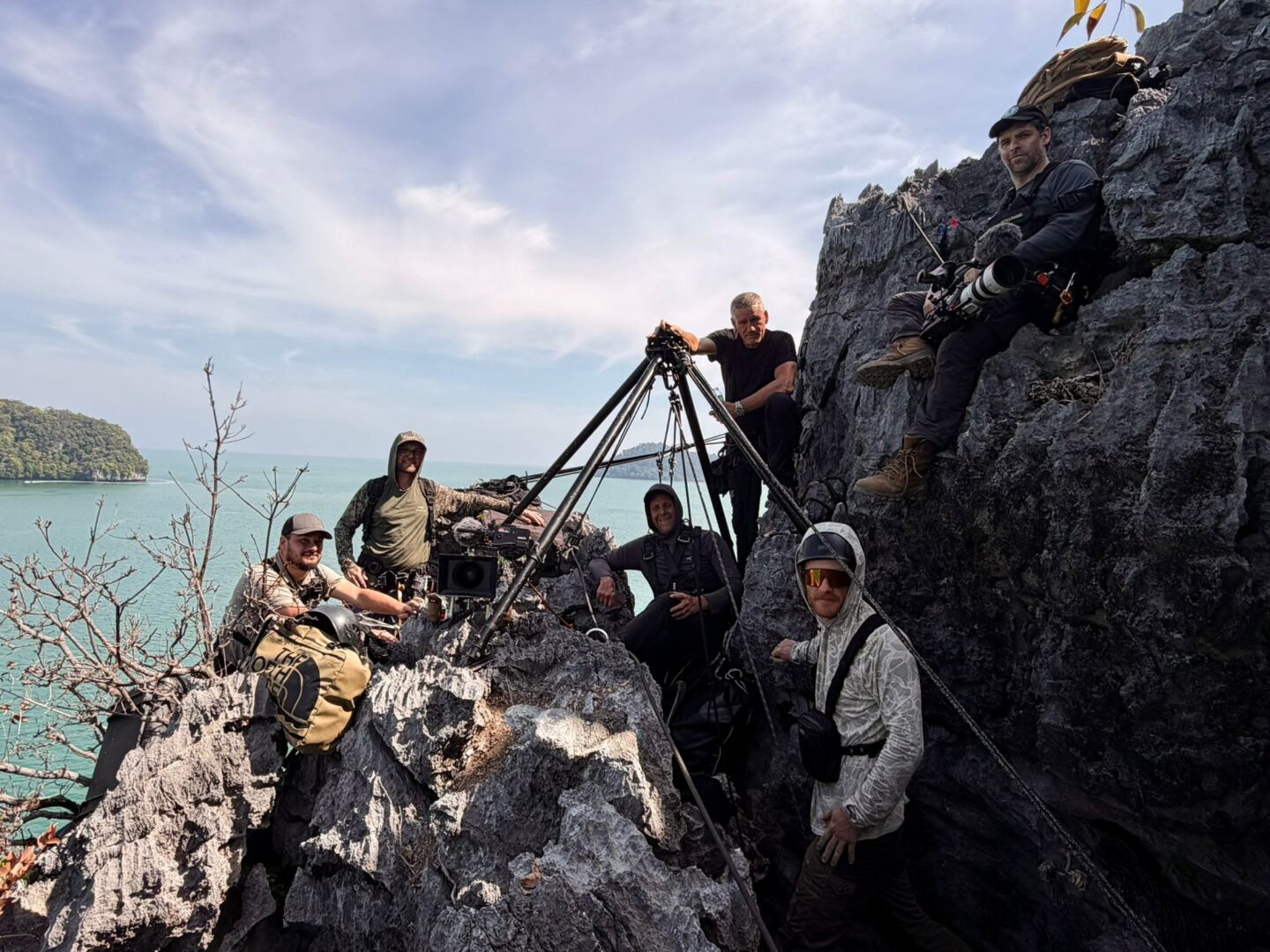
In Tom’s words: “We’ve got people who are really experienced in these environments, whether that’s jungle or mountain or whatever. They’re not just filling one role. They’re doing lots of roles and can turn their hand to lots of different things.”
What this means for producers
If your format sells jeopardy, how much risk you’ll accept is an editorial and corporate decision as much as a safety one. Agree it early, before the tasks are locked, and bring in the people who’ll be managing that risk on the day while the ideas are still on paper. They’ll tell you which ones can be delivered, what they’ll need, and which ones to drop before they cost you anything.
Working with Secret Compass
We’re the go-to people to manage risk on the most ambitious shows on TV, anywhere in the world. That’s 14 years, 111 countries and more than 359 productions, including multiple seasons of SAS: Who Dares Wins, Special Forces: World’s Toughest Test and The Grand Tour.
We’re involved from the first location conversation, working alongside your editorial team to plan what each task needs. For the shoot, we draw on our global network of expert consultants to build the right team for that production and environment: safety advisors, specialist guides, multi-skilled remote medics, and specialists in rope access, water safety and diving.
If you’re developing a format with risk built into it, talk to us while the ideas are still on paper.