Operational lessons from a multi-continent premium factual series.
As premium factual becomes more ambitious, production risk becomes more complex. Larger budgets, remote environments, specialist activities and globally recognised talent all increase exposure across schedule, cost and reputation.
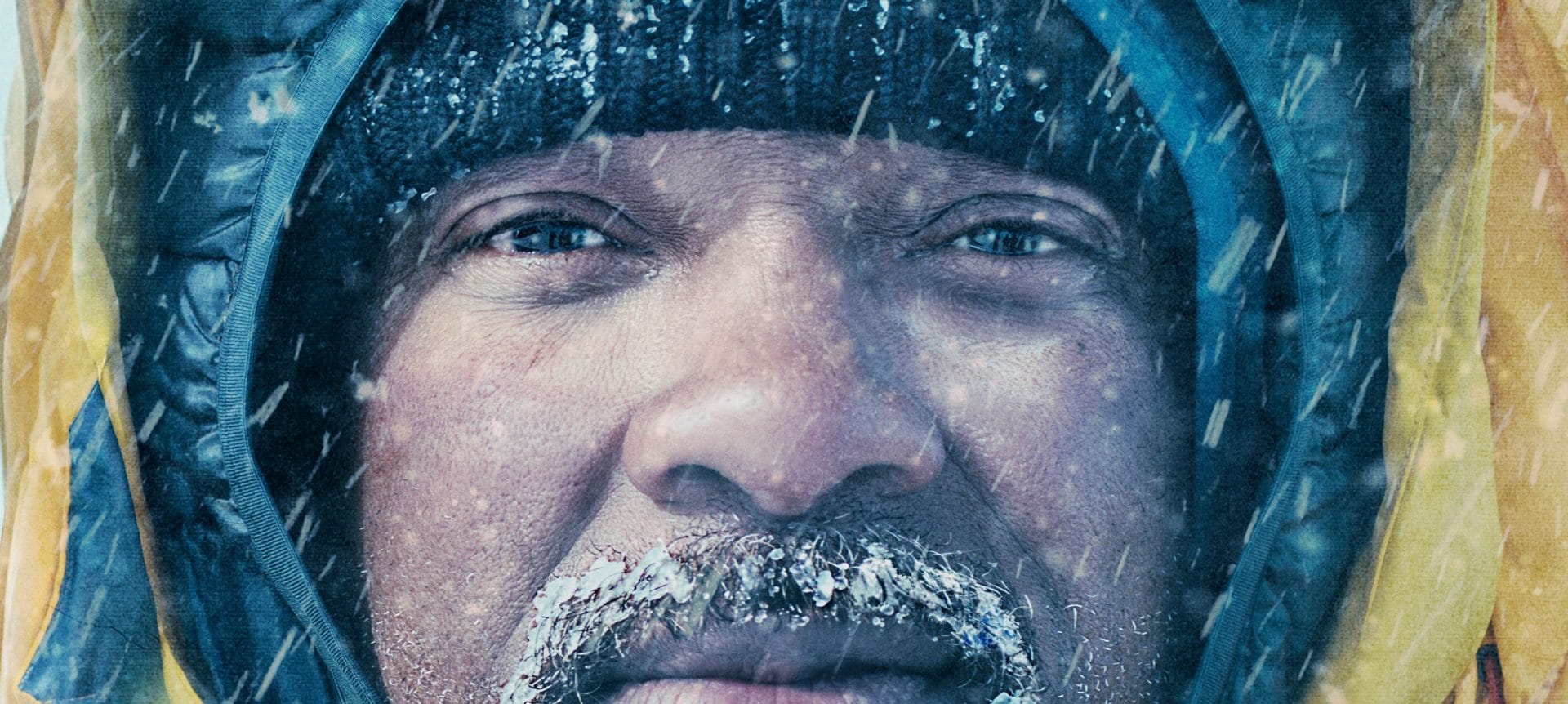
On Pole to Pole, produced by Nutopia, Westbrook Studios and Protozoa for National Geographic and Disney+, and filmed across Antarctica, Ecuador, Bhutan, Botswana, Papua New Guinea and the Arctic, one point became clear: timing changes outcomes.
On productions of this scale, five considerations consistently shape delivery.
1. Early integration changes feasibility
Risk management introduced at development stage influences what is realistically achievable.
“The earlier we’re involved, the better,” says Tom Bodkin, Managing Director of Secret Compass. “At development stage, ideas are still evolutionary. That’s when you can shape feasibility.”
At that point, editorial ideas are still fluid and budgets are not yet fixed. Early specialist input allows production to understand:
- What additional expertise is required
- What equipment or training is essential
- Whether an idea is viable within schedule constraints
“If those conversations happen late, you create friction,” Bodkin says. “That means extra cost, extra time and usually a scramble.”
Early clarity changes outcomes.
2. Model feasibility before committing
In Ecuador, filming inside a vast underground chamber required moving 35 crew and significant equipment down two 80 metre vertical access points, filming and exiting within a single production day.
Before committing, production needed to know:
- How many people could move safely per hour
- What rigging systems were required
- Whether the timetable worked in practice, not theory
Through early recce and throughput modelling with specialist riggers and cave experts, feasibility was established before full commitment.
The risk was not just physical. It was editorial and financial.
“It’s not about compliance,” Bodkin says. “It’s about delivery.”
3. Define parameters for high-risk sequences involving talent
In the Arctic, an under-ice dive required clear definition of training, competency and time requirements before investment in a complex polar dive operation.
“What production needed from us was clarity,” Bodkin says.
Production needed precise answers:
- What level of preparation was essential
- Where that preparation could happen
- Whether it was achievable within schedule constraints
Clear parameters enabled an informed decision before significant resource was committed.
“It’s about defining the conditions under which something can happen,” he adds. “We don’t stop ideas. We highlight the challenges and the resources required. Production then decides.”
4. Integrated teams outperform fragmented specialists
Historically, productions often hired safety elements independently: water safety, rigging, medical and technical driving teams. Each strong in isolation, but not always aligned within a unified structure.
“In the past, productions might hire separate specialists independently,” Bodkin says. “What was often missing was a holistic view bringing those subject matter experts together.”
On global productions, fragmentation can create communication gaps and inconsistent risk tolerance.
An integrated model operating under a single risk lead provides:
- Clear authority
- Aligned escalation pathways
- Consistent communication with production
- One accountable point of contact
“What we do is bring that together into a cohesive team,” he explains. “One team lead. One point of communication. One aligned risk tolerance.”
At scale, cohesion protects schedule as much as it protects people.
5. Talent increases exposure, not just complexity
Working with globally recognised talent changes the risk profile of a shoot.
“Working with globally recognised talent changes your analysis of the security risk,” Bodkin says. “That sort of scenario needs to be considered in the planning phase, not just managed on the day.”
Security planning, crowd dynamics and stakeholder liaison must be anticipated and built into planning, not treated as operational surprises.
On high-visibility productions, anticipation is more valuable than reaction.
Risk management as production infrastructure
On ambitious factual series, risk management is no longer a late-stage compliance function.
“Senior production teams now understand risk management as part of their responsibility,” Bodkin says. “It’s not something bolted on at the end.”
It informs development, sequencing and investment decisions. It forms part of production infrastructure.
“Integrated risk management isn’t optional at this level. It’s essential.”
Ambition requires structure.
Where expert judgement meets pace
As productions increase in pace and complexity, the ability to identify key risks early becomes more important.
“Any ambitious global production involves significant investment,” Bodkin says. “Whoever is funding it will want that investment protected and the risk managed.”
At scale, the most effective approach combines structured systems with specialist oversight.
Digital tools can accelerate drafting and improve visibility. They do not replace experienced judgement.
Speed without clarity creates exposure. Clarity applied early creates confidence.
That remains a human responsibility.
For complex global productions, early risk integration changes outcomes. If you’re developing an ambitious series, speak to our team early.
For productions that need a fast, structured first draft, Secret Compass AI generates a tailored risk assessment in minutes — built on the same expertise, designed to be used independently.
Related Risk Insight
Live broadcast at height: risk management lessons from Skyscraper Live
Explore how integrated risk planning shaped delivery on a high-profile live production at scale.
Read the Skyscraper Risk Insight
Post tags: