The biggest risks on a production aren’t always created by inexperienced people. Sometimes the risk comes from people who know exactly what they’re doing.
Experienced crews know the format. They know the locations. They know how the production normally works. They’ve done similar things before, often without incident.
That experience is valuable. But it can also create assumptions that are difficult to see from inside the production.
Risk management isn’t about stopping things happening. It’s about making things possible that wouldn’t otherwise be possible safely.
That can be surprisingly difficult to explain. When people hear “risk management” or “safety”, they often assume the job is to stop a production doing something risky. In reality, risk can be managed rather than eliminated, and the level of risk an organisation is prepared to accept will vary from production to production.
One of the challenges is that experienced people can make decisions based on what has worked before, particularly when they’re under pressure to deliver.
Psychologists studying decision-making under pressure have identified a set of mental shortcuts people rely on when they need to make fast decisions. In expedition and avalanche safety, this is often discussed through the FACETS framework: Familiarity, Acceptance, Consistency and Commitment, Expert Halo, Tracks and Scarcity, and Social Facilitation.
On TV and film productions, two of these come up particularly often: familiarity and consistency and commitment.
The people involved aren’t careless. Quite the opposite. They’re experienced, capable and under pressure to deliver. Those are precisely the conditions that can make these patterns harder to spot.
FAMILIARITY: “WE’VE DONE THIS BEFORE”
Returning to a format, location or way of working creates a powerful sense of confidence. If a production has used the same approach successfully several times before, it is easy to assume that the same approach will continue to work.
The problem is that previous success can become evidence for doing something again, rather than a reason to ask whether it is still the right thing to do.
This can happen with systems that have become established over several productions. They may have worked perfectly well in the past, but a change in location, environment, activity or schedule can mean the original reasoning no longer applies in quite the same way.
For example, medical cover might have been arranged in a particular way on previous productions and simply carried forward to the next one. Once a system is familiar, changing it can feel unnecessary, even when the circumstances have changed.
That’s where an external safety perspective can be valuable. The question isn’t whether the previous approach was wrong. It’s whether it is still the most appropriate approach for the production in front of you.
Familiarity can make a decision feel safer because it is known. Risk management means being willing to ask whether the conditions that made it appropriate last time still exist this time.
CONSISTENCY AND COMMITMENT: WHEN THE PLAN BECOMES MORE IMPORTANT THAN THE CONDITIONS
Once a production has committed to a plan, changing it can become difficult.
Budgets have been agreed. Schedules have been built. Crews have been briefed. Locations and suppliers have been booked. Everyone knows what is supposed to happen next.
Then something changes.
Good risk management has to allow the production to stop, reassess and change direction without that being seen as a failure of the original plan.
This is where dynamic risk assessment becomes important. The risk assessment written before a shoot is a starting point, not a prediction of everything that will happen. As circumstances change, the people running the production need to keep reassessing what is actually happening and whether the controls still work.
That might mean revisiting an activity in a production meeting the evening before. It might mean changing the plan on the day. It might mean stopping and reassessing something that is about to happen.
But the important thing isn’t necessarily how the paperwork looks. As one Secret Compass Risk manager put it, “it doesn’t matter how the information is actually presented, it’s the discussion that’s important.”
WHEN LOCAL EXPERTISE AND SAFETY JUDGEMENT COLLIDE
Experience can create another problem when a production is working internationally.
A local fixer, guide or activity provider may have years of experience doing something safely in their own environment. Their expertise is genuine. But their understanding of what constitutes an acceptable level of risk may be very different from that of the production, broadcaster or safety adviser.
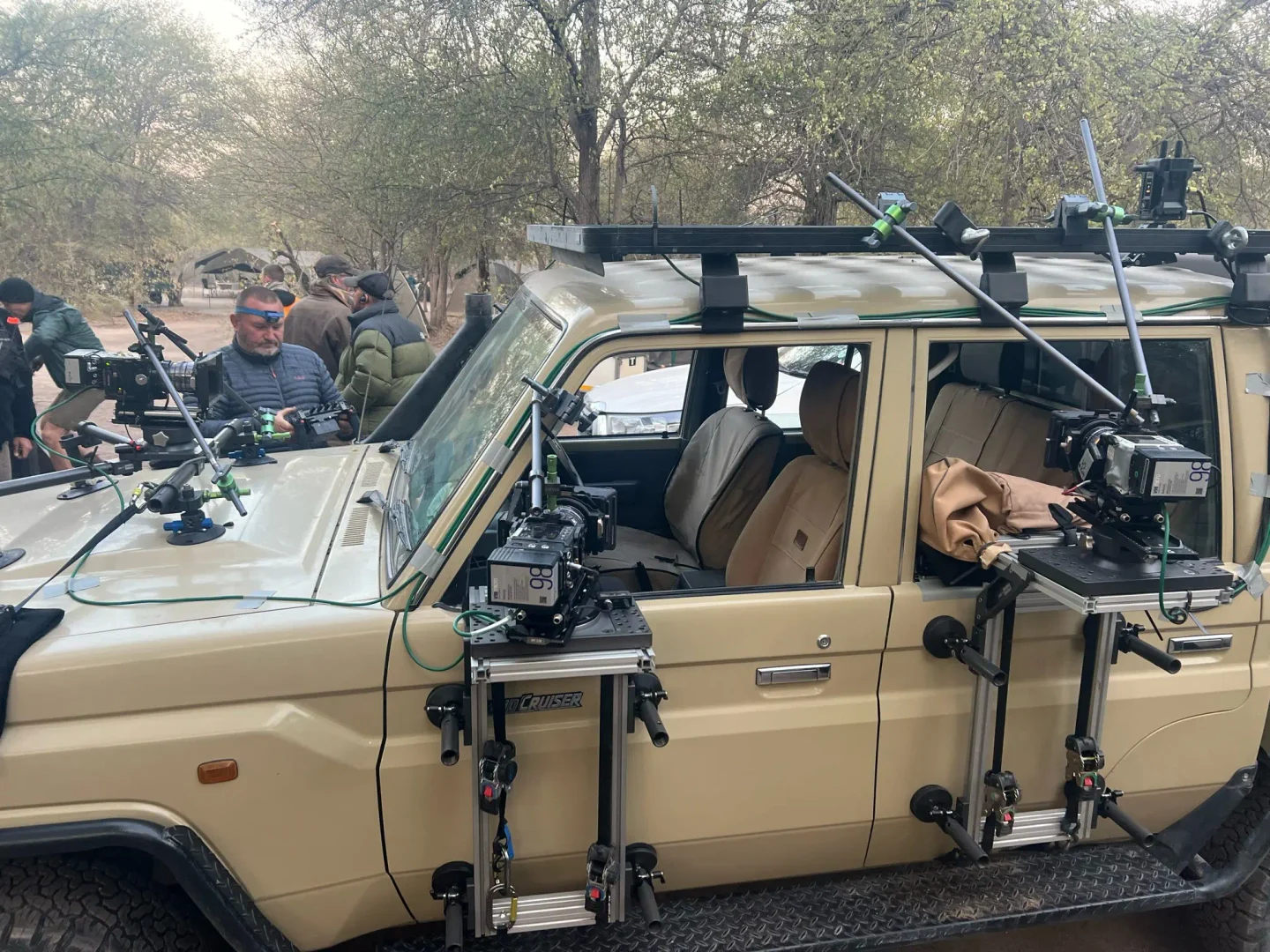
On a shoot in Kenya, a local fixer saw nothing unusual about the crew standing on the back of a flatbed truck while it crossed rough terrain. It was normal in his environment. It wasn’t normal for the crew.
Neither side necessarily had bad intentions. The challenge was recognising that something being normal locally doesn’t automatically make it appropriate for the production.
Cultural differences can make the conversation even more complicated.
On an expedition in India, a local fixer objected when the team wanted to ask a hospital to use sterile needles brought by the team rather than the hospital’s own supplies. His concern wasn’t about whether the request was reasonable. It was about the cultural consequences of asking the hospital staff to do something that could embarrass or shame them.
The solution couldn’t simply be “our safety rules are more important”. The team had to find a way to maintain the safety requirement while communicating it in a culturally appropriate way.
The same issue can arise when working with local activity providers. On one shoot in Peru, an activity provider was offended when the production asked for written safety protocols. Their response was essentially: this is what we do every day; we know what we’re doing.
The absence of written procedures didn’t necessarily mean the activity was unsafe. It meant the provider had never been asked to document its approach in that way.
Good international risk management has to account for both sides of that equation: local expertise should be respected, and will help inform the risk assessment and guide production’s thinking. However, it can’t replace independent judgement about the risks the production is actually taking.
RISK TOLERANCE ISN’T THE SAME FOR EVERYONE
There is another reason experienced people can disagree about a risk: they may simply have different ideas about what level of risk is acceptable.
A production company may be comfortable with an approach that a broadcaster isn’t prepared to stand behind. A producer may see a creative or editorial opportunity that they want to capture at all costs, that a safety adviser sees as requiring more controls. Sometimes this creates conflict: creative editorial vs safety. A small production company may make decisions based largely on the personal risk tolerance of the people running it because it hasn’t established a broader organisational position.
There is no single universal definition of “acceptable risk”.
The important thing is making sure those differences are identified before they become a problem. In some organisations, risk tolerance is explicitly discussed at the start of a production. In others, it only becomes apparent when someone says no to something.
That conversation is part of risk management too.
SAFETY ONLY WORKS IF PEOPLE FEEL ABLE TO SPEAK UP
The other human factor that comes up repeatedly is the willingness of people to challenge a decision.
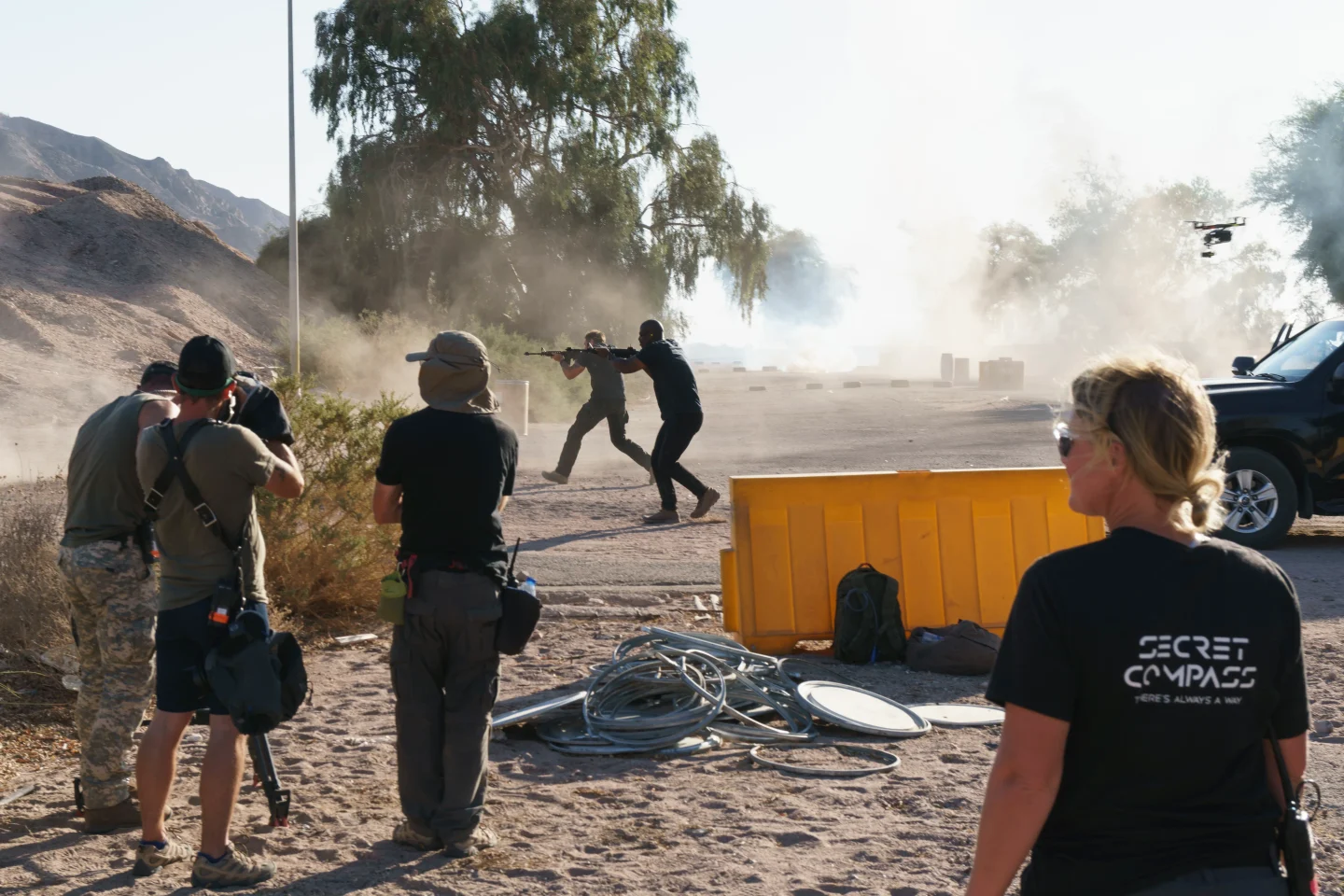
Junior crew and freelancers can be particularly reluctant to speak up. Safety advisers report hearing concerns from crew who are tired, uncomfortable or unhappy with something happening on a shoot. Those same people may hold back from raising it through production because they’re worried about their reputation or whether they’ll be rehired.
That makes the behaviour of senior people particularly important.
If production leadership shows that stopping, questioning or changing something is acceptable, other people are more likely to follow. If the people at the top treat safety as something that gets in the way of production, that attitude travels down the crew.
It’s also why the person providing safety advice needs more than technical expertise.
A good safety adviser needs the hard skills to understand the risks, and the soft skills to communicate with people, build trust and influence decisions without turning every intervention into a confrontation.
An independent adviser also sits outside the production hierarchy. That gives crew someone to raise a concern with when they don’t want to raise it through production. It also gives production someone whose job is to help them get the shot, by finding a way to do it safely.
At its best, the safety adviser is an enabler. They’re the person people trust enough to tell when something isn’t working, and confident enough to stop something when it needs to stop.
WHAT THIS MEANS FOR PRODUCTIONS
A risk assessment is only one part of risk management.
The document should identify the significant risks and give the production a framework for managing them. But once filming starts, circumstances change, people make decisions, schedules move, opportunities arise and pressure builds.
That’s when human factors matter.
The most experienced person on the production can still fall back on “we’ve always done it this way”. A producer under schedule pressure can still be tempted to skip a briefing. A local expert can still have a completely different understanding of what constitutes normal risk. A junior crew member can still see a problem and decide not to say anything.
Each of those people is working from their own area of expertise. The camera team is focused on the shot, the producer on the schedule, the local expert on what they know works. Each decision can make sense on its own terms. The risk sits in how those decisions combine, and in how one person’s attitude shapes what everyone around them thinks is acceptable.
Part of the safety adviser’s role is to hold that wider view.
Good risk management anticipates those behaviours rather than assuming everyone will make the right decision under pressure.
And it doesn’t have to make a production less ambitious.
In fact, the opposite can be true. Secret Compass is often brought into productions because the team wants to do something ambitious but doesn’t yet know how to make it work safely. Experience across different environments, activities and productions can open up options that a production team might not otherwise have considered.
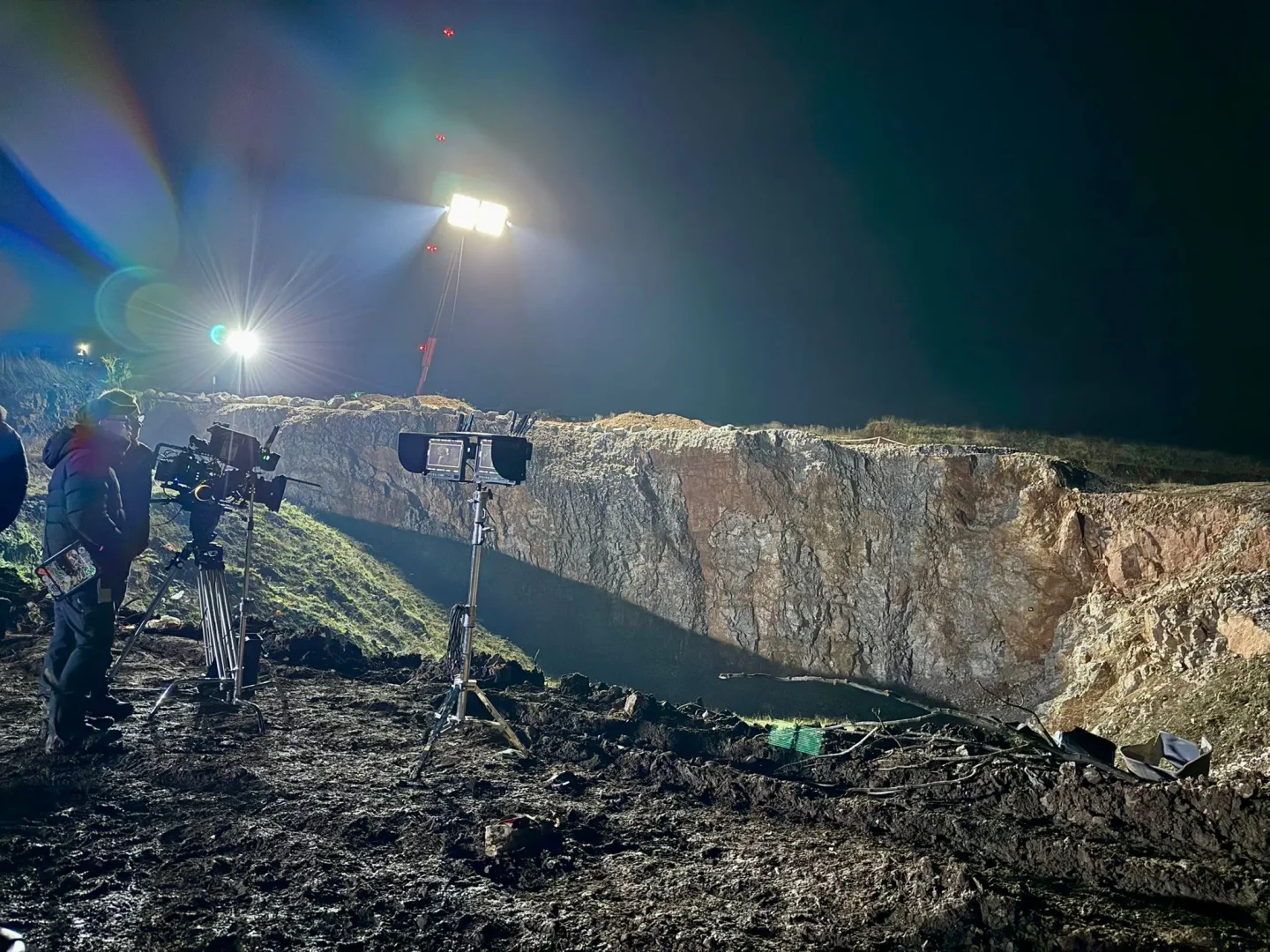
That’s part of what we saw on The Grand Tour. The production involved ambitious, complex filming, with Secret Compass providing risk management and safety oversight throughout. The job wasn’t simply to identify what could go wrong. It was to understand what the production was trying to achieve and help make it possible.
That’s the value of risk management at its best.
Not stopping the idea.
Finding a way to make it possible.
Where Secret Compass fits
Secret Compass provides specialist risk management for TV and film productions, from early planning through to the shoot itself. Our team has delivered in more than 110 countries, for productions including Netflix, BBC, National Geographic and Disney+.
That includes experienced safety advisers on location. They bring the technical knowledge to manage the risks, and the judgement to build trust with the crew and help the production get the shot.
For simpler shoots without in-house risk expertise, Secret Compass AI can generate a structured first draft risk assessment. It gives a production a solid starting point. Managing the human side on location still takes people.
Talk to our team about your production