You’ve done risk assessments before. Plenty of them. So putting one together for a shoot in a remote location overseas shouldn’t be so different, right?
It’s very different. Thinking otherwise is a bit like assuming a first aid at work qualification will suffice when you’re filming in Mongolia, at least 24 hours from the nearest hospital.
Remote location shoots share some hazards with any production – road traffic accidents, illness, crime, accommodation risks, crew inexperience. But they also introduce a specific set of considerations that productions consistently underestimate, and that standard risk assessment templates are not built to capture.
What “remote” actually means for production risk
Remote means distant. Cut off. Unfamiliar. In a filming context it means logistics are harder, if you leave important kit behind your options for replacing it are severely limited, and – most critically – if anything goes wrong, you need to be able to sustain your crew for as long as it takes to reach help, or for help to reach you. In some environments, that could take days.
That single fact changes the entire risk equation. Control measures that would be perfectly adequate on a standard shoot become insufficient when the consequence of something going wrong is that you’re on your own for 48 hours before anyone can reach you.
Medical access and evacuation
The most obvious risk on a remote shoot is that if there is a serious incident, getting to medical help will be extremely challenging. This means your control measures need to account for that distance explicitly.
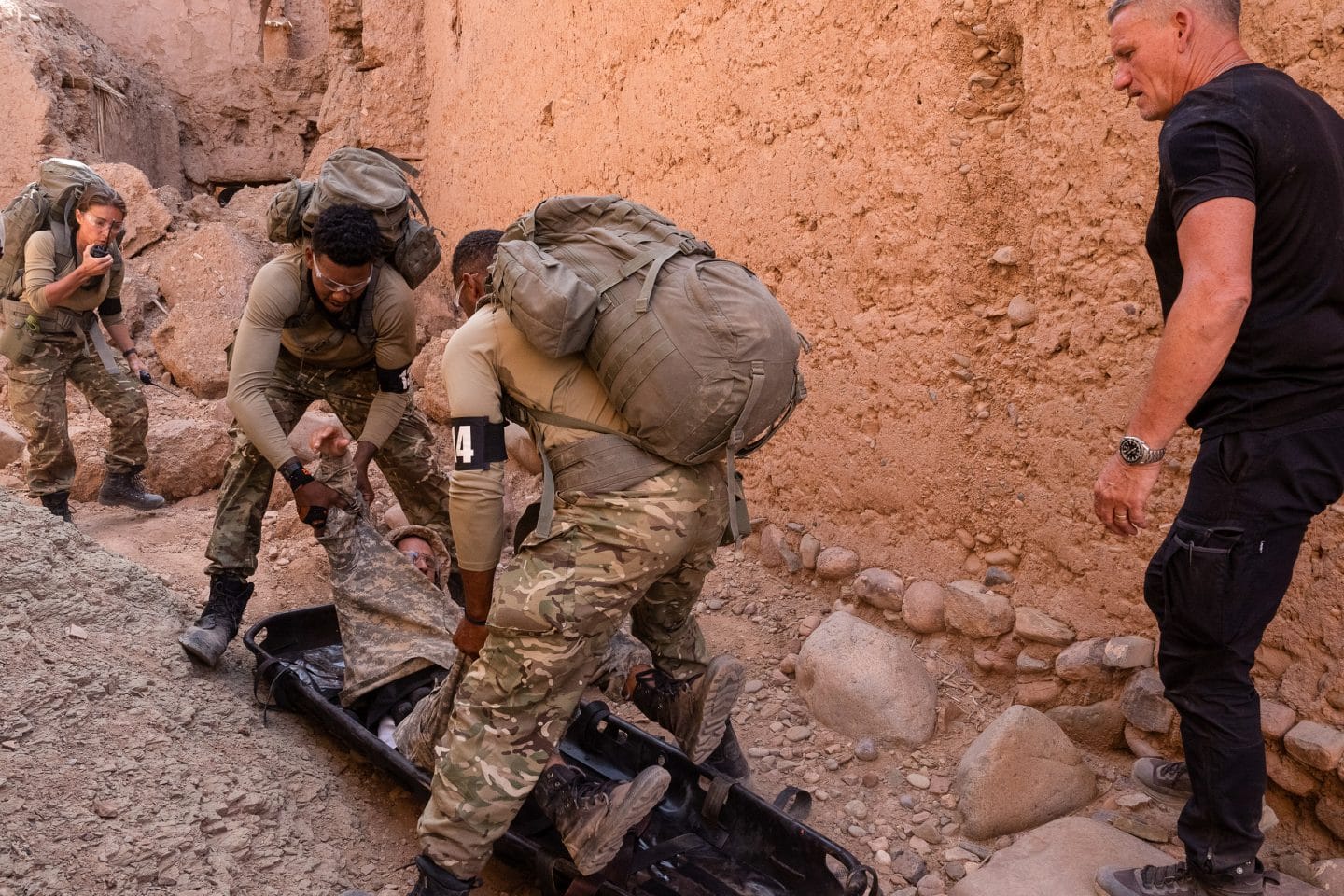
What medical resource are you bringing with you? A first aider is not the same as a paramedic or a doctor with the kit and capability to sustain life for an extended period. On large-scale remote productions – SAS: Who Dares Wins has been running across eight series in multiple countries – this means on-location medical teams providing 24/7 primary healthcare and emergency response, with full medical screening of cast beforehand and comprehensive evacuation plans built into the risk assessment from the start.
What does your evacuation plan actually look like – not in general terms, but specifically for this location? If you’re filming in a remote jungle environment and someone is bitten by a snake, you may have a very short window to get them to treatment. And if someone needs to be carried out on a stretcher, that takes considerably longer than walking – at least twice the pace, requiring eight to twelve people in rotation. Have you factored that into your planning?
Don’t assume that your insurance company can magic a helicopter out of nowhere to pluck you off a remote mountainside. It’s worth speaking to insurers to clarify what they can (and can’t) do early on. Then ensure you spend time with whatever evacuation assets exist in that country during a recce, to understand their capabilities and set up any agreements or pre-payment systems with them direct. That ensures you know who to call and sets realistic expectations for evacuation timelines.
Wildlife and environmental hazards
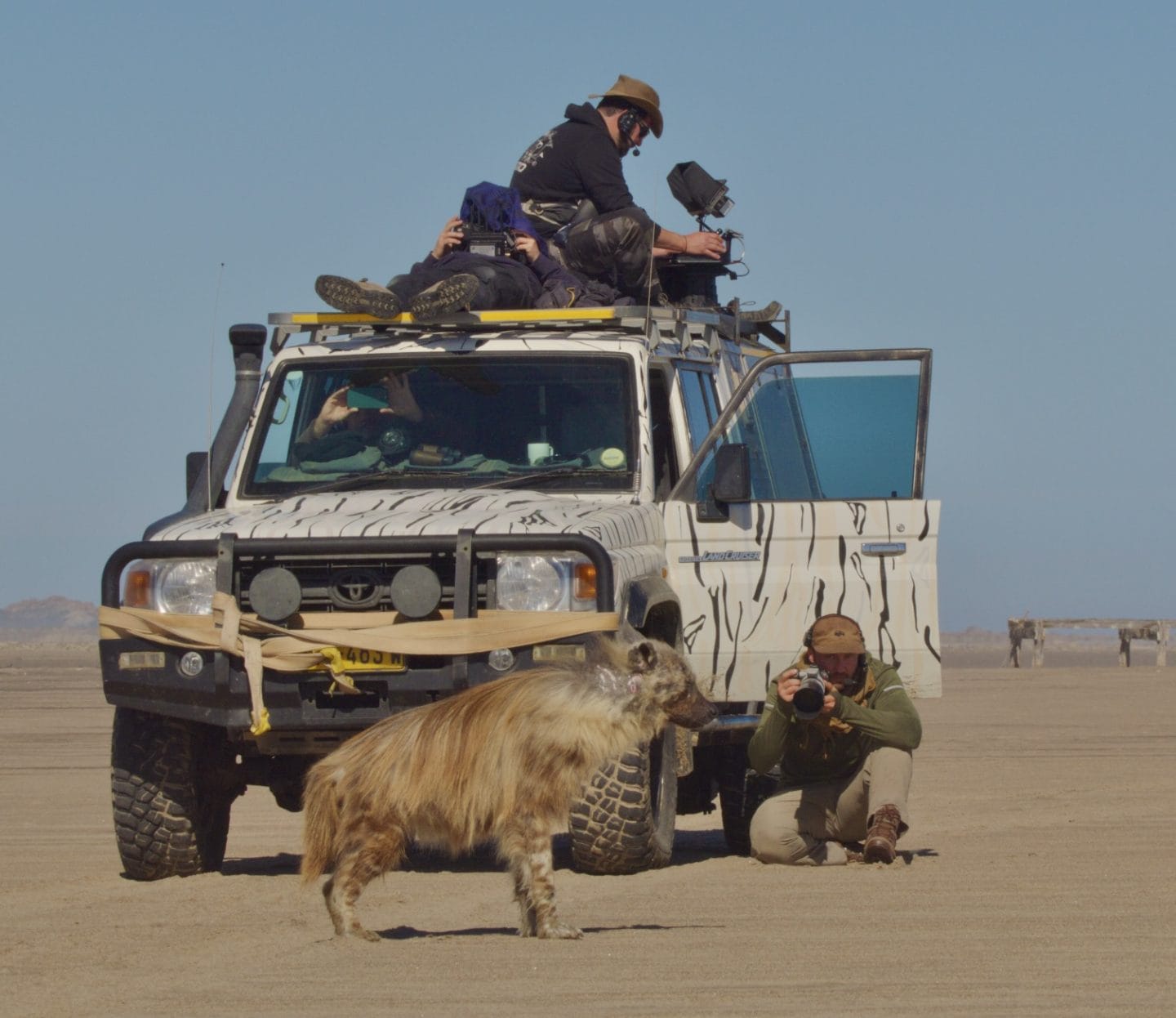
Remote environments carry hazards that simply don’t exist on standard shoots. What environmental conditions – extreme heat, cold, altitude, flooding – could affect the crew? These are not hypothetical. They are the conditions your team will be living and working in.
On the Extreme Tribe: The Last Pygmies shoot in the Republic of Congo, supporting a crew living and filming with a remote tribe for three months, the environmental and wildlife risk assessment needed to cover sustained jungle living – disease vectors, wildlife encounters, crew welfare over an extended period – in a way that no standard template could begin to capture.
Logistics and resupply
On a remote shoot, the logistics that are invisible on a standard production become critical risk factors. How will you maintain sufficient supplies of food, water and fuel? What happens if a vehicle breaks down? How dependent are you on a single point of failure – one vehicle, one route, one local contact – and what is the backup if that fails?
Communications
What communications devices are you taking? Are you aware of coverage gaps – areas with no mobile or satellite signal? What are the local restrictions on communications equipment? Your emergency communications plan is only as good as the devices you have and the signal available to use them. On shoots in genuinely remote terrain, satellite communication may be the only reliable option, and your risk assessment should address what happens if that fails.
Hostile environments
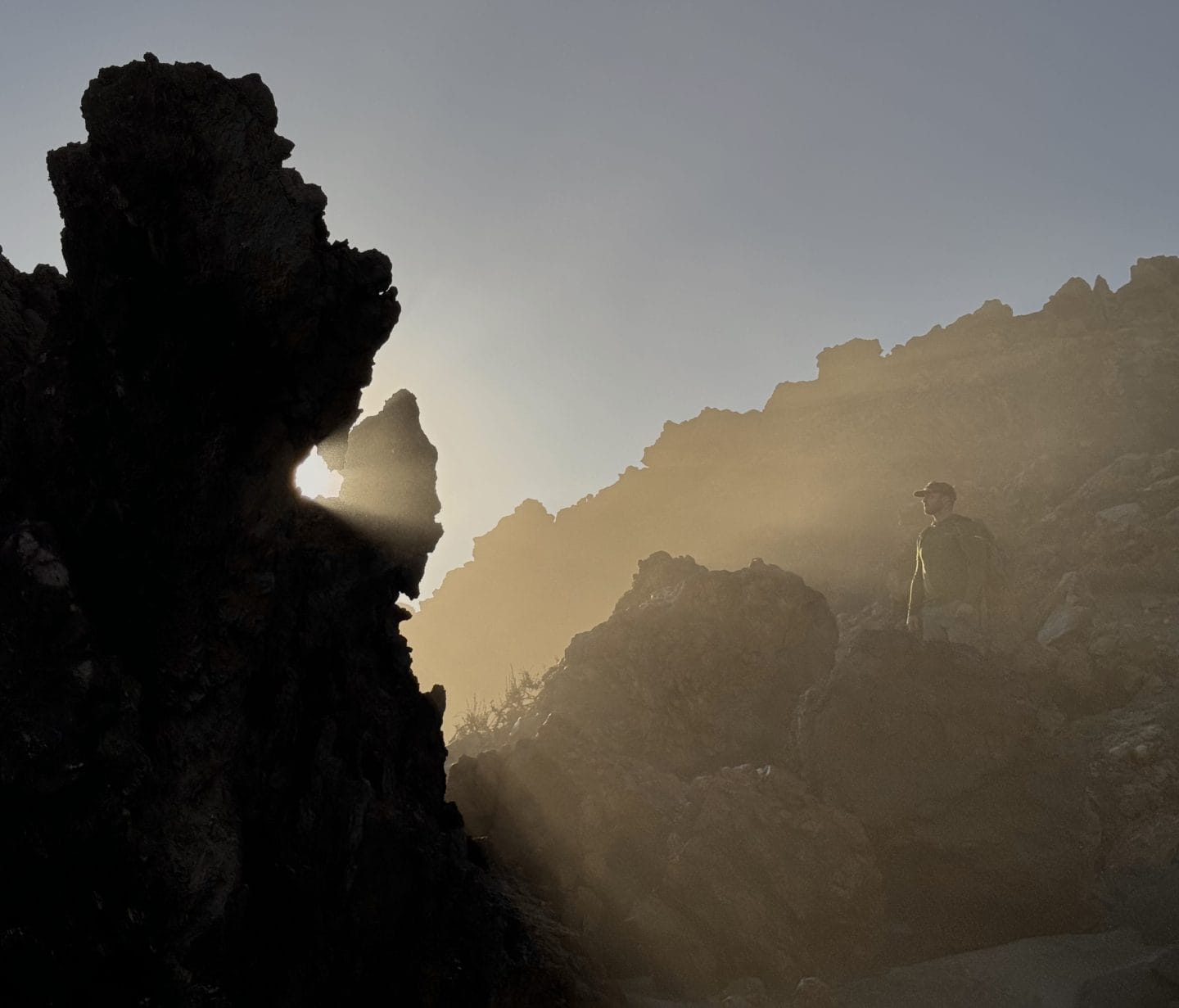
Some remote filming locations are environmentally hostile – extreme heat, extreme cold, high altitude, difficult terrain. Others have a higher-risk security profile where the rule of law is fragile and the local security situation is complex.
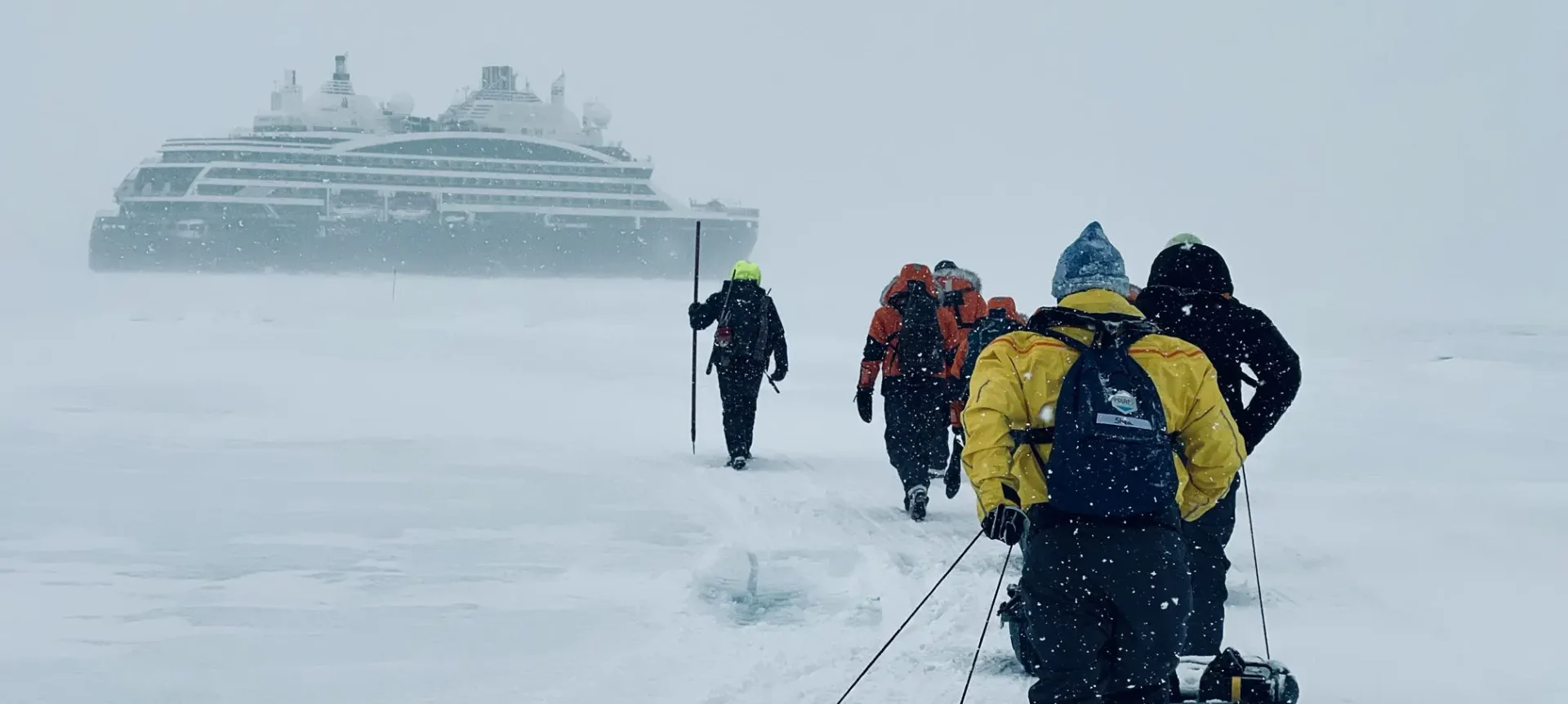
For environmentally hostile locations, your risk assessment needs to address how your team will operate safely in those conditions. This is not a generic concern. Filming in the Arctic – as on Arctic Ascent with Alex Honnold in Greenland – requires a specific understanding of cold injury, crevasse risk, weather windows and evacuation in conditions where a standard medical or rescue response is simply not available.
For locations with a higher security risk profile, a standard production risk assessment is rarely sufficient. These situations require a standalone security assessment – looking at which groups control the territories you’ll be operating in, checkpoint risks, incident trends and no-go zones. That assessment then informs the control measures: a high-risk security advisor accompanying the group, trusted local contacts securing the right permissions, security-trained drivers, communications protocols. Productions filming in Syria, Afghanistan or conflict-affected regions of Central and South America need this level of specificity – a generic security section in a standard risk assessment does not adequately serve these environments.
The expertise question
Ultimately, a remote location risk assessment is only as good as the expertise behind it. Generic templates have real limits when the environment is genuinely unfamiliar. The knowledge that makes a remote risk assessment credible comes from people who have lived and worked in these environments – who understand their unpredictability and specific hazards from direct experience.
Where Secret Compass fits
For remote and complex productions, Secret Compass provides specialist risk management from the earliest stages. Our team has delivered across over 111 countries – jungles, deserts, polar regions, mountains, rivers and hostile security environments – for productions including Netflix, BBC, National Geographic and Disney+.
Our services for remote and challenging shoots include full risk assessments and safety plans tailored to the specific location and activities, specialist consultants including jungle guides, mountain guides, Arctic specialists, maritime operators and remote medics, and security assessments for higher-risk environments. Our medical provision is led by Dr Niall Aye Maung, a military doctor with extensive experience in pre-hospital, expedition and tropical medicine, supported by a global network of elite doctors and paramedics.
For productions where the environment is challenging but not extreme – an unfamiliar country, a multi-day shoot in difficult terrain without in-house risk expertise – Secret Compass AI can generate a structured first draft risk assessment covering the key categories. For productions operating in genuinely complex, hostile or high-risk environments, our specialist consultancy team is the right answer.
Resources
- FCDO travel advisories – country-specific safety, security and entry information
- TravelHealthPro – disease risks by country, vaccination recommendations
- HSE – guidance for UK-based activities and employer responsibilities
- ISO 31000 – international risk management framework
- BS 8848 – UK standard for overseas expeditions and adventurous activities